November 2025 Sustainability Update – COP30 Special

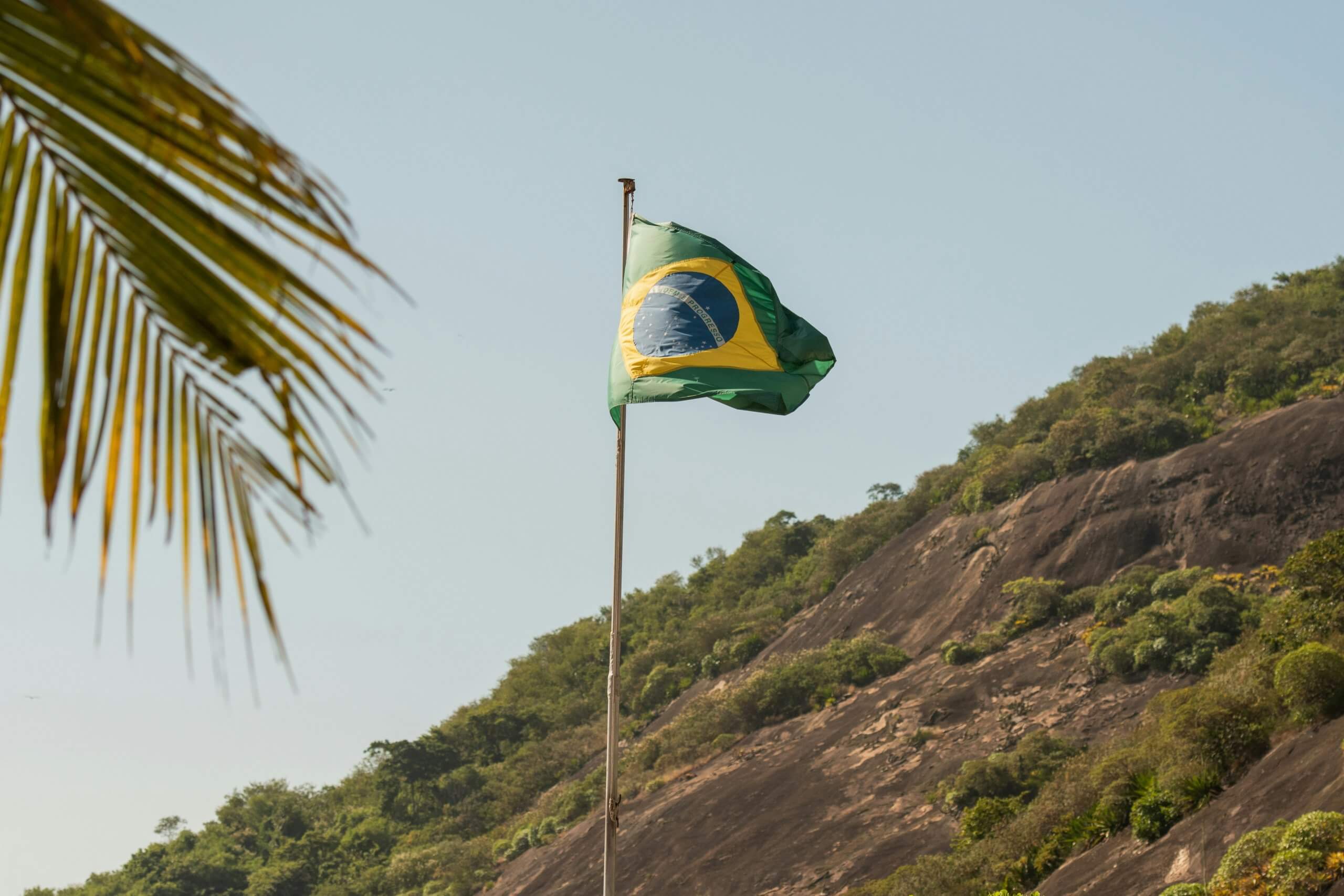
COP30, or the 30th UN Climate Change Conference, was hosted in Belém, Brazil. Held annually, COP is a major global summit, bringing together scientists, researchers, policy makers and world leaders from around the globe.

56,000 representatives from 194 countries attended COP30, making it the second largest COP in history. Indigenous voices were prominent with over 5000 participants, the highest representation at a COP to date.

COP30 was a major checkpoint for the Paris Agreement, marking ten years since this historic agreement. Every five years, each country’s progress is checked, and new targets are set to help limit global warming to well below 2°C above pre-industrial levels.

What was Agreed at COP30?

Two weeks of climate talks and negotiations took place:

  • Fossil Fuels – at COP28, in the United Arab Emirates (UAE) in 2023, countries agreed for the first time about the need to “transition away from fossil fuels in energy systems”. It was hoped that talks around fossil fuels at COP30 would secure clearer steps for how countries would achieve this. However no further progress was made due to the strong opposition from major oil and gas producing countries.  
  • Money – the countries at COP30 agreed to treble funding for adaptation by 2035. This funding is provided by richer countries to vulnerable countries to protect their people from the accelerating impacts of the climate crisis. Whilst this deal secures more money, some countries feel that the timeline ignores the urgency of the climate crisis.
  • Nature – COP30 was deliberately situated in Belém, known as the gateway to the Amazon, to put focus on the vital role of forests. Brazil launched the Tropical Forest Forever Fund, a multibillion-dollar investment fund that will pay nations to keep old-growth forests and trees standing. Despite helping design the fund, the UK declined to pay into the fund, surprising and drawing criticism from conservationists. However, 66 other countries agreed to pay into the fund with over £4 billion pledged, including major contributions from Brazil, Germany and Norway.

COP30 Conclusions

Each COP agrees a statement or binding agreement which is publicly released at the end of the conference. But this relies on consensus – all countries present have to agree in order to pass a deal. This can be challenging as different countries have different priorities based on factors such as their vulnerability to climate change, economic position and dependence on fossil fuels.

More than 80 countries, including the UK, wanted COP30 to commit the world to stop using coal, oil and gas at a faster pace. But COP30 ended in bitter rows, with many countries left feeling frustrated. The final conclusions contained no direct reference to fossil fuels as many oil-producing nations held fast that they should be allowed to use their reserves to grow their economies.


COP31

The next COP, COP31, will be held in Antalya, Türkiye, from 9 to 20 November 2026.

October 2025 Sustainability Update

Vatican City Is Now Producing All of Their Electricity from Renewable Sources

Before his death, Pope Francis fulfilled his green energy vision with a massive solar installation that now powers all of Vatican City’s operations.

Combining solar energy production with agricultural land use, the dual-purpose agrivoltaics system allows crops and solar panels to co-exist on the same land. Research has shown that this approach can actually increase crop yield as a microclimate is created underneath the solar panels that conserves water for the plants and helps protect them from extreme weather conditions, such as excess sun and high winds.

Heavy Rain Sweeps Across South Eastern Europe

October 2025 saw wetter-than-average conditions in South Eastern Europe, especially within the Balkans. Storms brought snow and rain across the region, with heavy flooding in Bulgaria.

The Copernicus Climate Change Service provides information about the past, present and future climate in Europe, allowing countries to develop effective mitigation and adaptation strategies. In October 2025 it evidenced that patterns of above-average precipitation and soil moisture were largely consistent across Europe.  

Artificial Reef Installed on a UK Wind Farm in Pilot Project

One of the largest artificial reefs in the world has been installed at Rampion Offshore Wind Farm off the Sussex coast. Sea currents speed up as they pass around the base of a wind turbine and can cause erosion, so scour pads – made up of rocks – are often installed around the foot of offshore turbines. This pilot project is looking at ways to replace the rocks with a nature-friendly artificial reef.

75,000 specially designed reef cubes have been placed at the bottom of a single turbine, providing homes for a wide range of marine life whilst protecting the turbine from erosion. The reef cubes have a chamber in the middle and a honeycomb texture on the outside to encourage marine life, such as oysters, ross worms and anemones, to use them. The project will be studied for five years to see how effective it is at protecting the wind turbine from erosion and improving biodiversity.

September 2025 Sustainability Update

California Places Solar Panels Over Canals in a Novel Solar Power Project:

An exciting new solar power project just went live in California. Solar panels have been placed across canals in the vast agricultural region as early research suggests that putting solar panels above water can help keep the panels cool, improving their efficiency and electricity output. Additionally, the panels shade the canal, which will prevent water loss through evaporation in drought-prone regions of California and limit algae growth which, when it grows excessively, poses significant risk to aquatic ecosystems and human, pet and livestock health.

Portugal’s Kelp Forests are Huge Carbon Sinks

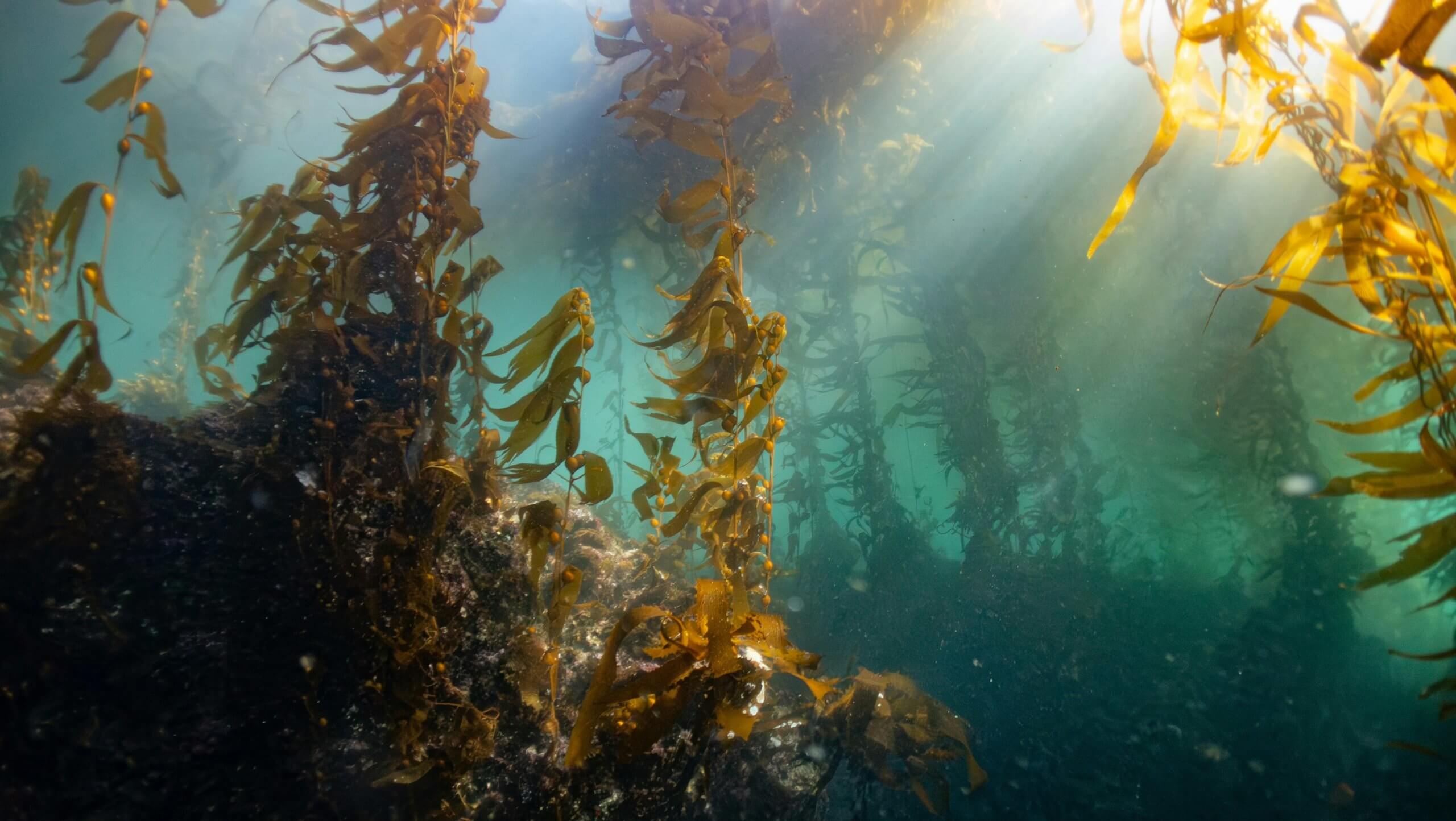
Marine scientists have discovered that kelp forests along the Northern coastline of Portugal capture and store more carbon than previously thought.

Kelp is the name given to several large species of seaweed. They root themselves to the seabed and have a thin hard stalk with fronds that spread out like leaves. When conditions are right, kelp can form dense underwater forests.

As well as being one of the most productive ecosystems on Earth, kelp forests can also help us mitigate and adapt to climate change. A new study published in the Scientific Reports journal found that although kelp forests cover a relatively small area of our plant, they demonstrate a carbon capture efficiency per square metre that is comparable to or greater than more extensive terrestrial forest habitats. Kelp forests also act as a buffer against storm surges, which are becoming more frequent and intense due to climate change, by reducing wave energy.

This study will help policymakers recognise the importance of kelp and other seaweeds as nature-based solutions, resulting in more investment into kelp forest protection, restoration and creation.

Fifth National Climate Impacts and Risks Meeting Takes Place in Bristol

The 5th national climate impacts and risks meeting took place in Bristol on 18th and 19th September. The conference focused on climate impacts, adaptations and health and was attended by scientists, researchers, policy makers and industry experts. Across the two-day conference, new climate research studies are presented and based on their findings, discussions take place on how we can better prepare for the impacts and risks of climate change in the UK.

August 2025 Sustainability Update

Global River Map Created to Improve Flood Modelling:

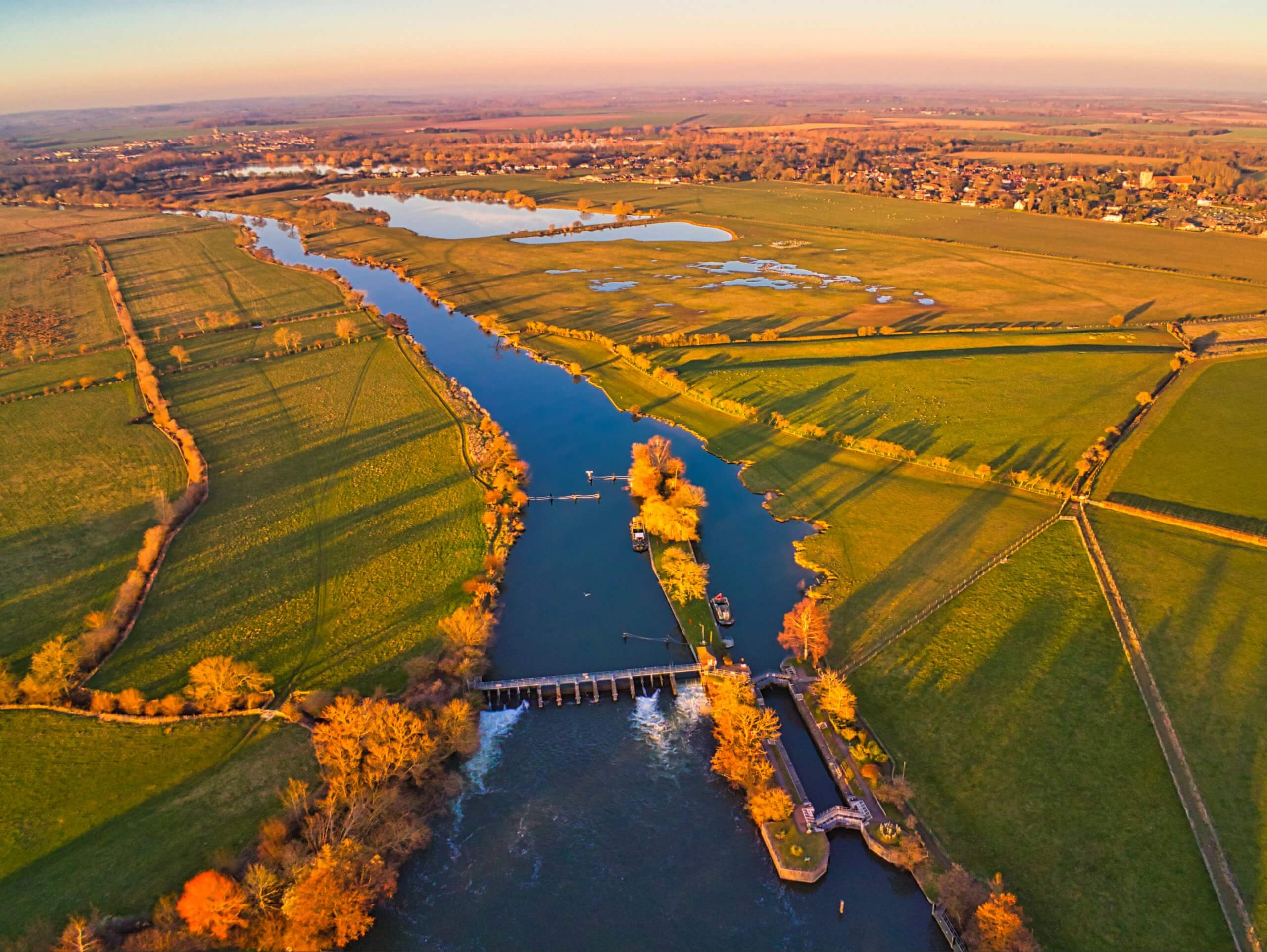
A team of researchers, led by Oxford University, have created the most detailed map of the world’s rivers ever, which could transform how we prepare for and respond to flooding.

As rainfall becomes more erratic as a result of climate change, floods are expected to become more frequent and severe in many parts of the world. Until now, river maps have often overlooked more complex features, such as when a single river channel splits into multiple channels. Yet these branching river systems are important because they are often found in densely populated, flood‐prone regions, and provide critical insights into water movement across the Earth’s surface.

Known as GRIT (Global River Topology), the new global river map shows not just where rivers flow, but how they split, branch, and interact with the surrounding landscape. Built using high-resolution satellite images and advanced elevation data it maps over 12 million miles of rivers, providing a far more complete view of water movement. Scientists and Governments can use GRIT to understand where water is likely to go at large scales, helping to improve flood models, water management systems and disaster planning.

‘We needed a global map that reflects the way rivers actually behave,’ said Dr Michel Wortmann, who developed GRIT at Oxford as a Research Associate on the EvoFLOOD project. ‘It’s not enough to assume rivers just go downhill in a straight line—especially not when we’re trying to predict floods, understand ecosystems, or plan for climate impacts. This map shows the world’s rivers in their full complexity.’

Read more about GRIT here: https://www.ox.ac.uk/news/2025-05-16-researchers-remap-worlds-rivers-improve-flood-modelling

New Electric Car Battery Plant to be Built in the North East of England:

AESC have secured £1 billion in funding for a new electric car battery plant in Sunderland.  

The new gigafactory being built at the International Advanced Manufacturing Park (IAMP) in Washington will support 1,000 jobs and power 100,000 electric vehicles annually.

Plans for the plant were approved in 2024 and it will be the second in Sunderland for AESC UK, which is Nissan’s battery partner.

The gigafactory will make the UK more globally competitive in the EV field and help it achieve its net zero target.

The Chancellor added: “This investment in Sunderland will not only further innovation and accelerate our move to more sustainable transport, but it will also deliver much-needed high quality, well-paid jobs to the North East, putting more money in people’s pockets.”

Sunniest Spring on Record for Wales

Wales has had its sunniest spring on record according to data from the Met Office.

From 1 March to 28 May, Wales basked in 648 hours of sunshine – higher than the UK average.

Kathryn Chalk, a Met Office meteorologist, said this provisional figure beat the previous peak of 647 hours in 2020.

Overall, the UK has clocked 636.8 hours of sunshine in spring this year, beating the previously set record of 626 hours set in 2020. Wales, Scotland and Ireland have all set new peaks this year but England has not surpassed its peak at this point in time.

Met Office sunshine data goes back to 1910, and its figures for rainfall are also due to be published later this week. They are likely to show the UK has experienced one of its driest springs, despite heavy downpours in some areas in recent days.

July 2025 Sustainability Update

Company launches eco-bricks that ‘absorb carbon

A start-up company in Sheffield has launched environmentally-friendly bricks which absorb and permanently store greenhouse gases.

Materials developer earth4Earth, based at Sheffield Technology Parks, said the bricks capture carbon dioxide from the air around them but are also manufactured using methods which do not produce it.

The first batch is now being used in pilot projects across Sheffield.

Find out more here: https://www.bbc.co.uk/news/articles/c8739gvn7gzo

Unique 1.5m year-old ice to be melted to unlock mystery

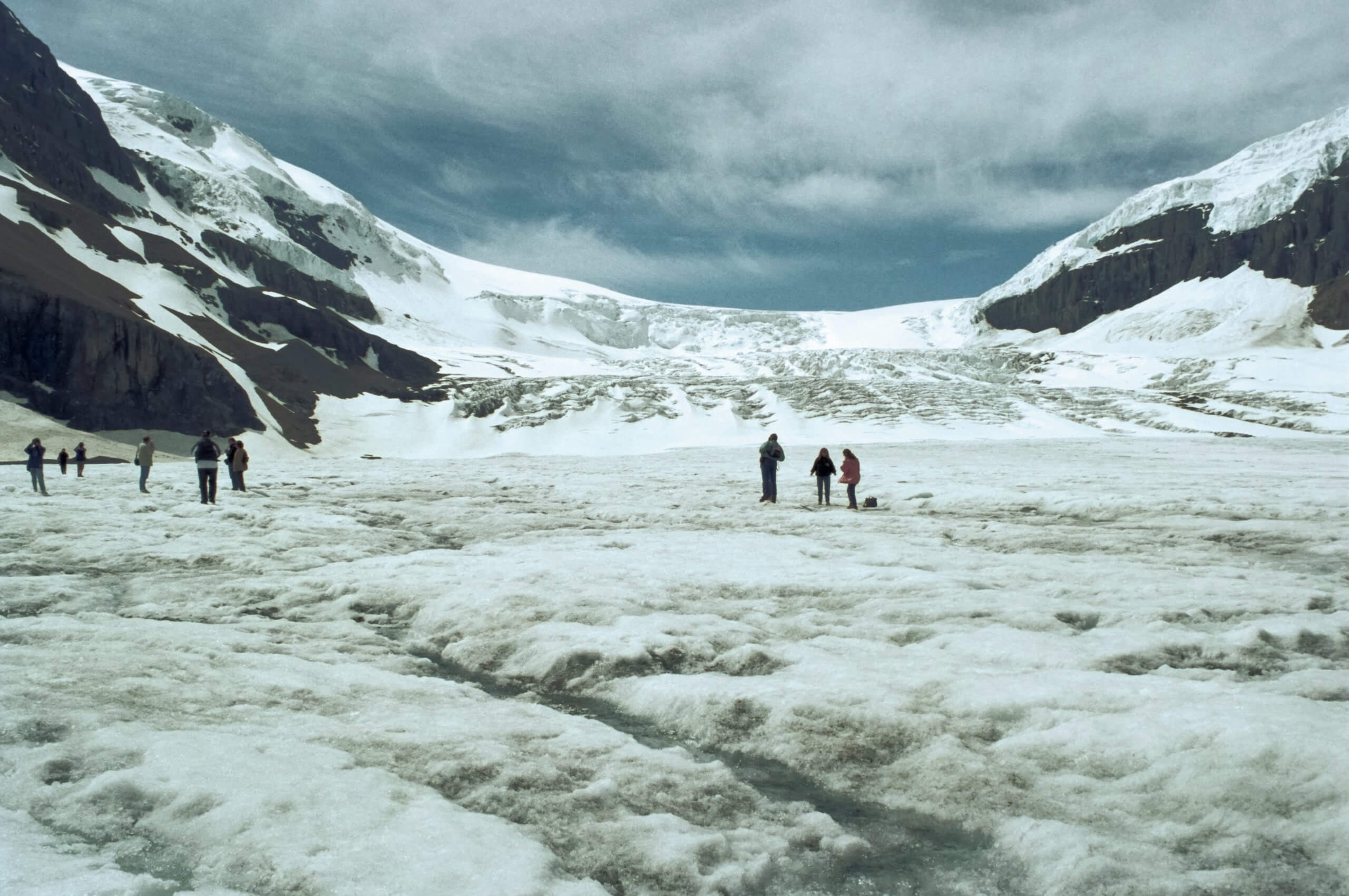
An ice core that has been estimated to be over 1.5 million years old could hold vital information about the Earth’s climate.

Scientists in the UK have received this ice block and intend to melt it to unlock this information. The glassy cylinder originates from deep inside the Antarctic ice sheet. Frozen inside is thousands of years of new information that scientists say could “revolutionise” what we know about climate change.

Over a period of seven weeks, the ice block will be melted slowly, releasing ancient dust, volcanic ash, and even tiny marine algae called diatoms that were locked inside when the water they were in turned to ice. These materials can tell scientists about wind patterns, temperature, and sea levels from over a million years ago.

The ice block could also contain evidence of a period of time more than 800,000 years ago when carbon dioxide concentrations may have been naturally as high or even higher than they are now, according to Dr Liz Thomas.

This could help us understand what will happen in our future as our planet responds to warming gases trapped in our atmosphere.

“Our climate system has been through so many different changes that we really need to be able to go back in time to understand these different processes and different tipping points,” she says.

The difference between today and previous eras with high greenhouse gases is that the current trend of high greenhouses has been man made and has occurred rapidly in the last 150 years. That is taking us into unchartered territory, but the scientists hope that the record of our planet’s environmental history locked in the ice could give us some guidance.

July 2025 was third hottest July on record

July 2025 was the third-hottest July on record,  with climate experts warning of the stark dangers of increasingly warmer summer heatwaves across the globe.

Temperatures reached 1.25°C above pre-industrial levels, lower only than the last two years which have been reported as the two hottest July’s in recorded history.

Copernicus (the from EU’s climate watchdog) has published a new report that stated that the planet’s surface temperature for July stood at 16.68°C, 0.45°C above the 1991-2020 average for July.

While this is a slight decrease in an otherwise continuous upwards trend, scientists have been quick to caution that a “pause” in record-breaking heat does not indicate the end of climate change.

June 2025 Sustainability Update

Three years left to limit warming to 1.5C, leading scientists warn.

The Earth could tip over the 1.5C warming limit within the next 3 years if current carbon dioxide emissions do not decrease. This is the warning  coming from more than 60 of the world’s leading climate scientists in the most recent global warming update.

Nearly 200 countries agreed to try to limit global temperature rises to 1.5C above levels of the late 1800s in the historic Paris agreement in 2015, with the aim of avoiding some of the worst impacts of climate change.

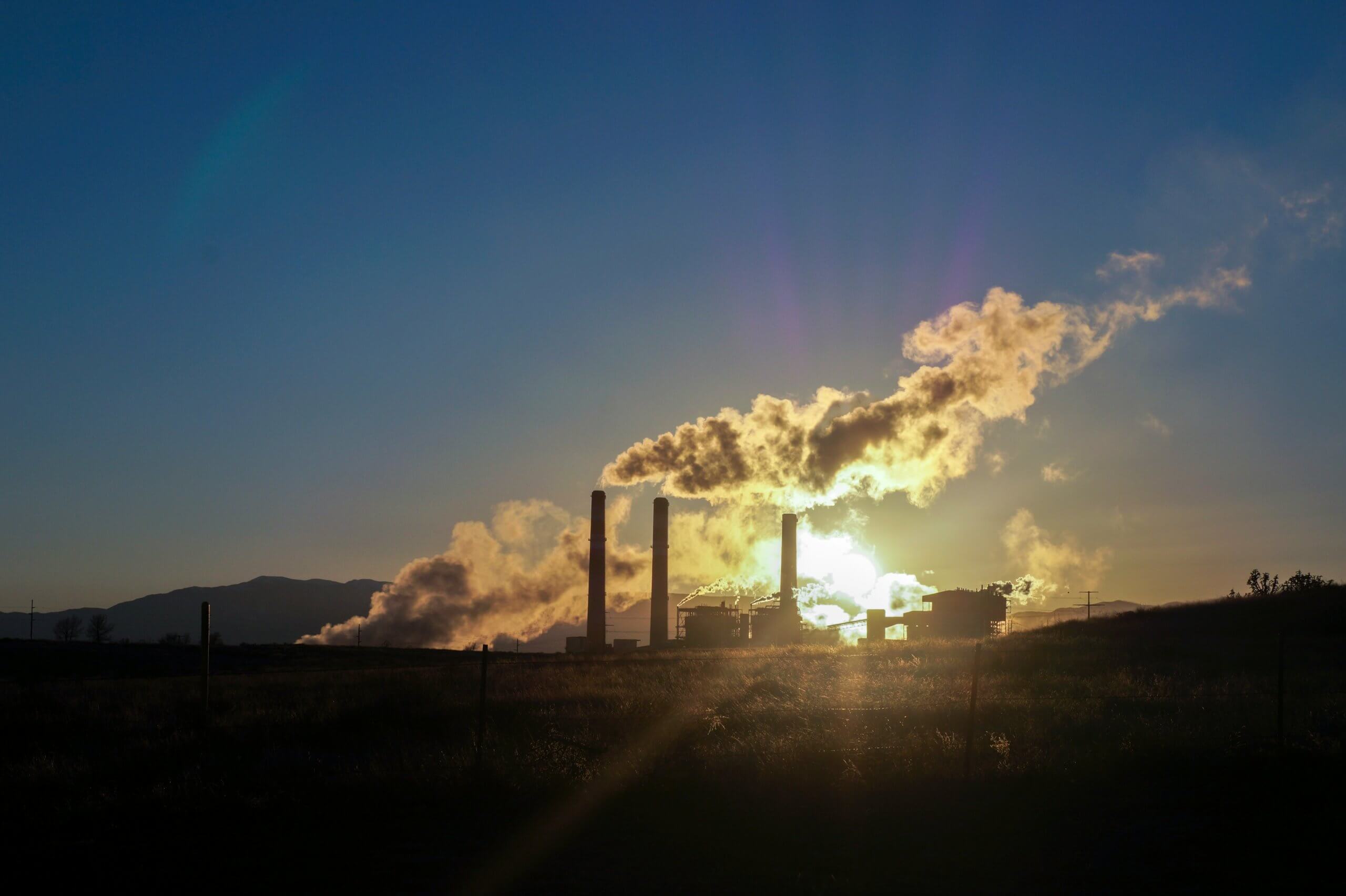
But countries have continued to burn coal, oil and gas at record levels and chop down carbon-rich forests – putting the goal in jeopardy.

Climate change has already worsened many weather extremes – such as the UK’s 40C heat in July 2022 – and has rapidly raised global sea levels, threatening coastal communities.

“Things are all moving in the wrong direction,” said Prof Piers Forster

“We’re seeing some unprecedented changes and we’re also seeing the heating of the Earth and sea-level rise accelerating as well.”

These changes “have been predicted for some time and we can directly place them back to the very high level of emissions”, he added.

At the beginning of 2020, scientists estimated only 500 billion more tonnes of carbon dioxide (CO2) could be emitted, to have even a 50% chance of keeping warming to 1.5C. However, by the start of this year the “carbon budget” had shrunk to 130 billion tonnes.

The reduced “budget” is mainly due to continuous emissions of CO2, which has hit a record high, and other greenhouse gases like methane, although estimates are also now more accurate after improvements.

130 billion tonnes gives the world roughly three years until that carbon budget is exhausted.

This would see the world breaching the target set by the Paris agreement, though the planet would probably not pass 1.5C of human-caused warming until a few years later.

Find out more here: https://www.bbc.co.uk/news/articles/cn4l927dj5zo

England has a bright idea: solar on every new home

Starting in 2027, nearly every new home built in England will have to include solar panels. The mandate, which U.K. Prime Minister Keir Starmer says will be published in the coming months, is projected to save homeowners more than £1,000 a year on energy while reducing planet-warming pollution.

Government leaders have promised that 1.5 million new homes will be constructed to address the nation’s housing crisis before the end of the next parliament, which would be in 2029 at the latest, although elections could be called sooner. Adding rooftop solar to these homes will help the U.K. reach its goal of 95% clean electricity by 2030.

New satellite offers a fresh look at forests

The European Space Agency recently launched a satellite that will scan 1.5 trillion trees the same way a CT scanner offers a look inside the human body. 

The first-of-its-kind satellite will allow scientists to accurately measure how much carbon is being stored in rainforests for the first time, providing a better way to gauge the impact of deforestation on the climate. 

May 2025 Sustainability Update

Global river map created to improve flood modelling:

A team of researchers, led by Oxford University, have created the most detailed map of the world’s rivers ever, which could transform how we prepare for and respond to flooding.

As rainfall becomes more erratic as a result of climate change, floods are expected to become more frequent and severe in many parts of the world. Until now, river maps have often overlooked more complex features, such as when a single river channel splits into multiple channels. Yet these branching river systems are important because they are often found in densely populated, flood‐prone regions, and provide critical insights into water movement across the Earth’s surface.

Known as GRIT (Global River Topology), the new global river map shows not just where rivers flow, but how they split, branch, and interact with the surrounding landscape. Built using high-resolution satellite images and advanced elevation data it maps over 12 million miles of rivers, providing a far more complete view of water movement. Scientists and Governments can use GRIT to understand where water is likely to go at large scales, helping to improve flood models, water management systems and disaster planning.

‘We needed a global map that reflects the way rivers actually behave,’ said Dr Michel Wortmann, who developed GRIT at Oxford as a Research Associate on the EvoFLOOD project. ‘It’s not enough to assume rivers just go downhill in a straight line—especially not when we’re trying to predict floods, understand ecosystems, or plan for climate impacts. This map shows the world’s rivers in their full complexity.’

Read more about GRIT here: https://www.ox.ac.uk/news/2025-05-16-researchers-remap-worlds-rivers-improve-flood-modelling

New electric car battery plant to be built in the North East of England:

AESC have secured £1 billion in funding for a new electric car battery plant in Sunderland.  

The new gigafactory being built at the International Advanced Manufacturing Park (IAMP) in Washington will support 1,000 jobs and power 100,000 electric vehicles annually.

Plans for the plant were approved in 2024 and it will be the second in Sunderland for AESC UK, which is Nissan’s battery partner.

The gigafactory will make the UK more globally competitive in the EV field and help it achieve its net zero target.

The Chancellor added: “This investment in Sunderland will not only further innovation and accelerate our move to more sustainable transport, but it will also deliver much-needed high quality, well-paid jobs to the North East, putting more money in people’s pockets.”

Sunniest Spring on record for Wales

Wales has had its sunniest spring on record according to data from the Met Office.

From 1 March to 28 May, Wales basked in 648 hours of sunshine – higher than the UK average.

Kathryn Chalk, a Met Office meteorologist, said this provisional figure beat the previous peak of 647 hours in 2020.

Overall, the UK has clocked 636.8 hours of sunshine in spring this year, beating the previously set record of 626 hours set in 2020. Wales, Scotland and Ireland have all set new peaks this year but England has not surpassed it’s peak at this point in time.

Met Office sunshine data goes back to 1910, and its figures for rainfall are also due to be published later this week. They are likely to show the UK has experienced one of its driest springs, despite heavy downpours in some areas in recent days.

April 2025 Sustainability Update

Historic agreement tackling shipping emissions: After nearly a decade of negotiations, countries have agreed to a historic international agreement to tackle shipping emissions. Starting in 2028, ship owners will have to use cleaner fuels or face fines.

At any given moment there are about 50,000 ships transporting goods across the world’s oceans and with global trade increasing, shipping routes are likely to keep getting more crowded. Shipping accounts for around 3% of global emissions but unlike many other sectors it has struggled to reduce its reliance on fossil fuels and associated carbon footprint.

However, the new agreement will make shipping the first industry in the world to have internationally mandated targets to reduce its emissions. Large international vessels will be required to use less carbon intensive fuels or face fines of up to £280 per tonne of carbon emissions from burning fuel. It is estimated that the agreement could achieve an 8% reduction in emissions from the shipping industry by 2030.

Some environmental groups and island states were disappointed with the deal, saying that it fell short of what they were hoping for and was heavily influenced by oil-producing nations. The Global Maritime Forum said that the deal was a compromise based on a “difficult set of decisions” but that it was “the first regulation of its kind and that is to be celebrated.”

Area burned by UK wildfires already at annual record in April: Satellite data suggests that the area burned by wildlife in the UK so far this year is already higher than the total for any year in more than a decade.

Wildfires are common in the UK in early spring, as dead or dormant vegetation at the end of winter dries out quickly, but the prolonged dry, sunny weather in March and April created ideal conditions for widespread burning. More than 80 large wildfires (30 hectares or more) have been detected across the UK since the beginning of the year.

Certain plants, such as heather, are adapted to fire-prone environments, so not all wildfires are catastrophic, particularly smaller and low intensity ones. However, increasingly frequent and intense wildfires can impair vegetations ability to naturally recover.

Scientists and researchers are more worried about what is going to happen in the summer where there are fewer wildfires, but they are often bigger and more intense. They are calling for the UK to be more prepared to manage wildfires as they become a more common occurrence.

Finland phases out coal power: Finland has shut down its last coal-fired power plant, becoming the latest country to fully phase out coal power in favour of renewables.

In 2019, the Finnish Government passed a law to ban coal from 2029. Since then, Finland’s renewable energy generation, such as from wind and solar, increased rapidly and coal use collapsed. Shutting down the last coal-fired power plant is expected to reduce Finland’s emissions by 2% and accelerate their transition towards clean energy.       

March 2025 Sustainability Update

Natural History GCSE: The UK Government has confirmed that they will be moving ahead with a Natural History GCSE. The course content has been designed to deepen student’s understanding of the natural world and equip them to contribute to its protection and conservation, both locally and globally.

Education is one of the most powerful tools we have to tackle the climate crisis, so confirmation that the Natural History GCSE is going ahead is great news. As David Attenborough said, “no-one will protect what they don’t care about; and no-one will care about what they have never experienced.” We know young people are a powerful force for change, so hopefully the new Natural History GCSE will help young people experience and care for their local environment and empower them to take action both locally and globally.

Subject to accreditation, the Natural History GCSE could be taught from September 2025.

Europe’s largest battery, located in the UK, begins operations: The largest battery site in Europe has commenced operations. Located in Moray, Scotland, the total capacity of the site is the equivalent of powering more than 3.1 million homes for two hours.

The site is located between Aberdeen and Inverness to address grid congestion from three large offshore wind farms in the area. Grid congestion is essentially an ‘electricity grid traffic jam’, where the grid infrastructure can’t handle the amount of electricity being transported. For example, if it suddenly becomes very windy there is a huge spike in the amount of electricity being generated by the wind farm, which can overload the grid if it is higher than current demand.

Renewable energy sources, such as wind, can also be wasted due to a lack of storage capabilities. Battery sites, like the new one in Moray, can help address the grid congestion and energy wastage by capturing and storing excess electricity until it is needed. It is expected that this new battery site will prevent approximately 2.6 million tonnes of CO2 from entering the atmosphere by integrating more wind power onto the grid.

High-speed rail network proposed for Europe: A high-speed rail network called Starline has been proposed by 21st Europe. Designed like a metro system, it could connect 39 European cities by 2040.

It would run at speeds of 185 – 250 mph, making journeys like Helsinki to Berlin possible in just over five hours, a route that currently takes over 16 hours with multiple train changes. 21st Europe also propose streamlining Europe’s rail network into one system, simplifying things like ticketing and cross-border security to make it easier to travel efficiently across Europe. It is estimated that a network like Starline could cut emissions by 95%, as short haul flights are replaced with high-speed rail.

Starline would also carry time-sensitive cargo such as fresh produce and medical supplies, reducing the need for short haul freight flights and over-burdened road networks.

Learn more about the proposed high-speed rail network Starline here: https://21st-europe.com/blueprints/starline

February 2025 Sustainability Update

Pilot scheme to support oil and gas workers to transition to renewables: Through a pilot scheme, oil and gas workers will be supported to transition to a career in renewables, initially into a variety of roles in offshore wind.

Research from Offshore Energies UK showed that 90% of oil and gas workers have skills that are relevant to the clean energy transition. The pilot scheme will help oil and gas workers recognise their existing transferable skills and support them to undertake further training if needed to transition to a career path in renewables. Additionally, four areas across the UK, where large numbers of workers are employed in oil or gas industries, will receive funding for targeted measures such as training centres and skills courses: Aberdeen, Cheshire, Lincolnshire and Pembrokeshire.

UK Government invests in Nuclear Fusion: The UK Government has committed £410 million to support the rapid development of the UK fusion energy sector, including the possible construction of a world-leading nuclear fusion power project on the site of the old West Burton coal plant in Nottinghamshire.

Ed Miliband, the energy secretary, said that the investment means that the UK is “now within grasping distance of unlocking the power of the sun and providing families with secure, clean, unlimited energy.” (The Guardian, 2025)

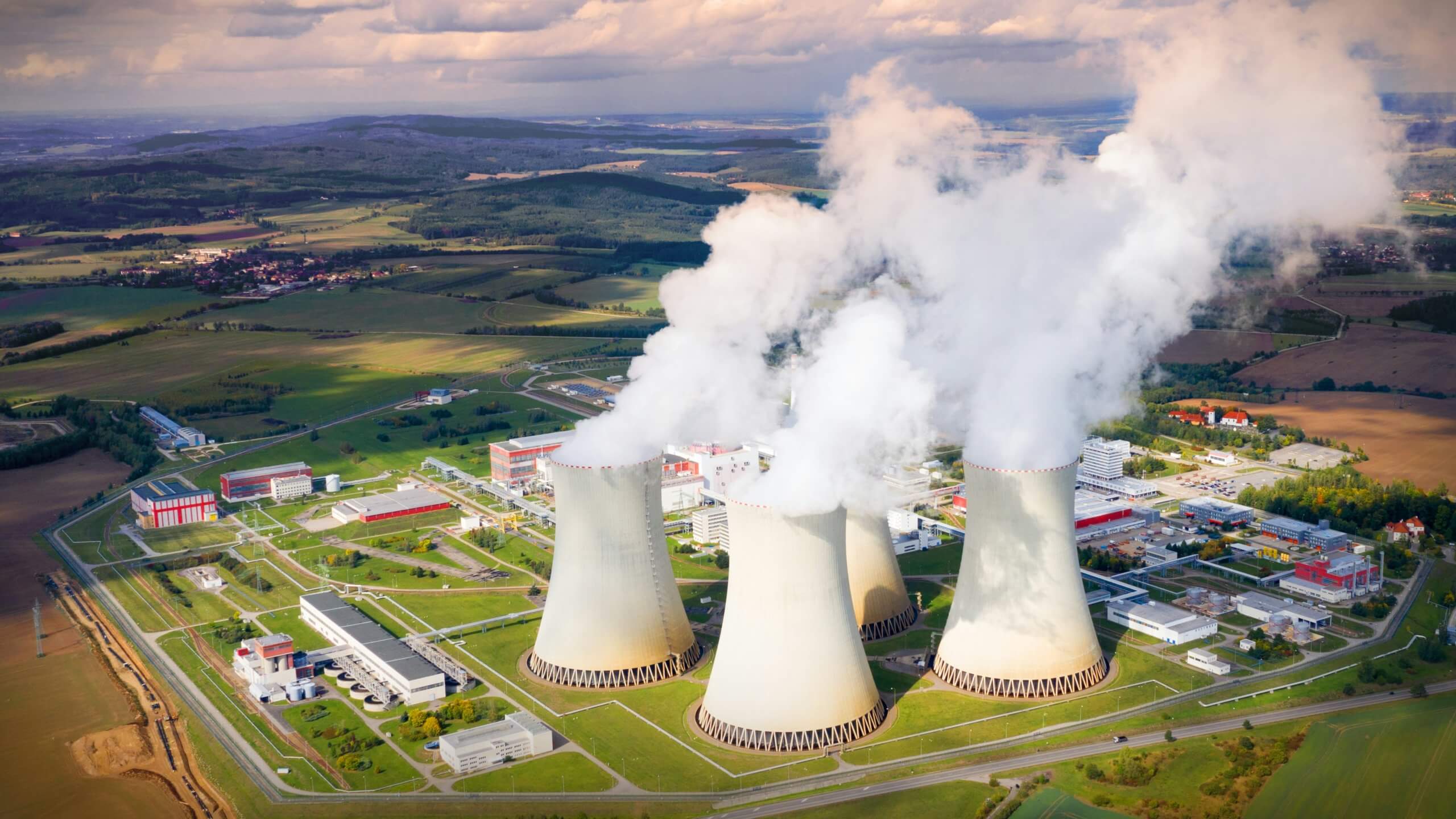
The sun, along with all other stars, is powered by a reaction: nuclear fusion. Simply put, nuclear fusion is the process of joining two light atomic nuclei together to form a single heavier one, releasing massive amounts of energy in the process.

Currently nuclear power plants use nuclear fission to generate energy. Nuclear fission is a reaction where a heavier atomic nucleus splits into two or more smaller nuclei, releasing energy in the process. However nuclear fission produces unstable nuclei which are radioactive. This radioactive waste is extremely hazardous and long lasting, so expensive measures have to be taken to safely store it whilst its radioactivity diminishes.

Nuclear fusion on the other hand does not produce any long-lived radioactive waste. If we can replicate nuclear fusion on Earth, we could have access to virtually limitless clean, safe and affordable energy to meet all the world’s energy demands.

Global sea ice hit record low: Scientists from Copernicus Climate Change Service (C3S) said that global sea ice fell to a record low in February, one of the consequences of a warming world.

C3S have been monitoring sea ice levels through satellite observations since the 1970s. Global sea ice extent varies, but it typically reaches its annual minimum in February, when it is summer in the southern hemisphere. Scientists are worried about the lower levels of sea ice as ice reflects sunlight, helping to keep the planet cool. A lack of sea ice means darker ocean surfaces which accelerates warming as the Earth absorbs more sunlight.