
April 2026 Climate Update

Record Breaking Day for Renewable Energy Generation

On Wednesday 22nd April, Great Britain’s electricity grid ran on a record-breaking 98.8% zero-carbon energy, for a short period between 15:30 and 16:00, surpassing the previous record of 97.7% set in April 2025.

Gas usage sank to a historic low, making up just 1.2% of the energy mix, meaning that virtually all of Britain’s twenty-eight million homes and five million businesses were being powered by clean energy for the half hour period. Over 50% came from wind, 34.4% from nuclear, 9.8% from biomass, 2.2% from solar, 1.5% from hydro and the remaining 0.8% from batteries, which store generated zero-carbon energy when generation exceeds demand.

This record shows that Britan’s electricity can be safely and securely run on clean energy. In addition, as well as an overall zero-carbon record, April 2026 also saw solar generation reaching new highs on two consecutive days.  

Researchers Develop Battery Recycling with Carbon Capture

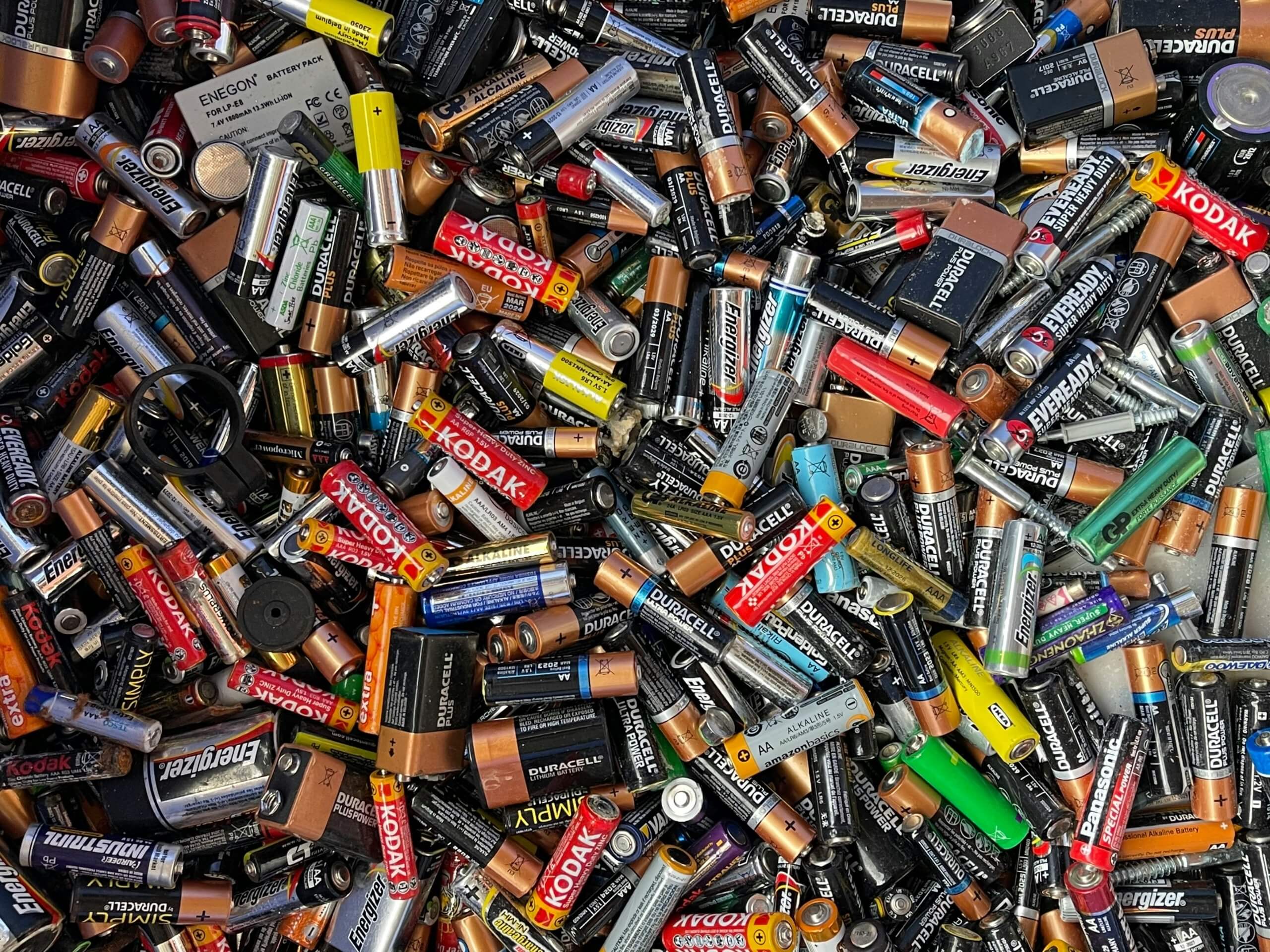
Researchers have developed a new battery recycling with carbon capture that not only recovers valuable battery materials more efficiently but also captures carbon dioxide during the process.

Demand for batteries is rising rapidly, as electric vehicles, renewable energy systems and electronics expand worldwide. But with this growth comes a challenge; what do we do with the millions of batteries once they reach the end of their life?

Battery recycling with carbon capture is a new approach to manage this surge in waste. Traditional battery recycling methods can be energy intensive and rely on harsh chemicals to extract the materials, such as lithium, cobalt and nickel, generating emissions and environmental impacts which can partially offset the climate benefits of using batteries in the first place. But battery recycling with carbon capture is a new method which uses a pressurised mixture of carbon dioxide and water, instead of harsh chemicals, to recover materials from the used batteries.

Using this new approach, researchers recovered about 95% of the lithium contained in the batteries. The remaining metals in the batteries, such as cobalt, manganese and nickel, are transformed into useful catalysts that can help produce green hydrogen fuel, another important technology for reducing carbon emissions.

Improved and efficient battery recycling is a critically important part of making the entire battery lifecycle more sustainable as recovering metals reduces the need to mine new materials, which has significant environmental impacts such as land disturbance, water use and greenhouse gas emissions. Battery recycling with carbon capture offers a way to support a more circular economy by reintroducing recovered materials from used batteries into the battery manufacturing supply chain. At the same time, capturing carbon during recycling helps reduce associated emissions.

Early results are promising and researchers are taking the next step to refine and scale the process.

Europe Named Fastest-Warming Continent in Latest Climate Change Report

The United Nations (UN) released a joint report with the European Centre for Medium-Range Weather Forecasts (ECMWF) in April 2026 which states that Europe is the fastest-warming continent, with nearly all of Europe experiencing above-average annual temperatures in 2025.

Hot and dry conditions across Europe in 2025 fuelled more frequent and intense wildfires, burning over 2.5 million acres of land, caused below average annual flows for 70% of Europe’s rivers and impacted snow cover, which feel by nearly 30%.

The report highlights that climate change is not a future threat but a present reality and evidences the need for more urgent action to be taken.

Winners of the 2026 Goldman Environmental Prize Announced

Six grassroot environmental activists from around the world have been awarded the Goldman Environmental Prize in honour of their work to fight climate change and improve biodiversity:

  • Iroro Tanshi (Nigeria) – rediscovered the endangered short-tailed roundleaf bat and has been working to save its habitat, the Alfi Mountain Wildlife Sanctuary, from human-induced wildfires through a community-led campaign.
  • Borim Kim (South Korea) – started the Youth 4 Climate Action organisation and won a ruling that the South Korean government’s climate policy violated the constitutional rights of future generations, the first successful youth-led climate litigation in Asia.
  • Sarah Finch (UK) – fought oil drilling in South-Eastern England for more than a decade, alongside the Weald Action Group, securing the ‘Finch ruling’ from the Supreme Court in June 2024 that authorities must consider fossil fuels’ impacts on the global climate before granting permission to extract them. This legal precedent has already stopped the development of subsequent fossil fuel extraction projects across the UK.
  • Theonila Roka Matbob (Papua New Guinea) – led a successful campaign that saw the world’s second-largest mining company agree to address environmental and social devastation caused by its Panguna copper mine. Despite having abandoned the site 35 years ago, the company didn’t formally acknowledge the wide range of harms the mine has caused and begin address the urgent risks until this campaign.
  • Alannah Acaq Hurley (US) – led a campaign, acting on behalf of 15 tribal nations, to stop a mega copper and gold mining project (what would have been North America’s largest open-pit mine) that threatened ecosystems in Alaska’s Bristol Bay region. The victory safeguards Bristol Bay and its greater watershed, encompassing 25 million acres of wilderness, rivers and wetland and home to the largest wild salmon runs in the world.
  • Yuvelis Morales Blanco (Colombia) – after a major spill in 2018 forced the relocation of dozens of local families and killed thousands of animals, Yuvelis took on some of the world’s biggest oil companies to successfully stop the introduction of commercial fracking into Colombia.

Learn more about the current and past winners of the Goldman Environmental Prize here: https://www.goldmanprize.org/all-winners/

March 2026 Climate Update

World’s First Vertical Floating Solar Plant Begins Operating

The push for renewable energy requires innovative solutions, such as the world’s first vertical floating solar plant, which is now operating on an artificial lake, Lake Jais, in Bavaria, Germany.

Each segment requires only a narrow submerged base to secure the panels and allow controlled movement under wind and fluctuating water levels. The system is connected to the grid via a floating cable and a shore-based feed in point, minimising disruption to the lake’s ecosystem. The vertical orientation of the solar panels offers several advantages. The panels face east and west which increases morning and evening output, times when traditional solar systems produce less energy. The spacing between the panels also allows wind to pass through more easily, reducing wear and tear on the structure.

Like many other countries, Germany has thousands of artificial lakes from mining and quarrying activities, many of which sit idle after operations cease. Floating solar instillations on these artificial lakes provide opportunities for solar energy generation without occupying land. The Lake Jais vertical floating solar plant only covers 4.65% of the lake’s surface and environmental monitoring has shown no negative ecological impact since the installation. Findings suggest that vertical floating solar plants can coexist with aquatic ecosystems, with waterfowl observed creating nests on the floating sections and schools of fish observed gathering around the submerged sections. It also has the potential to be used to complement offshore wind farms, as wind and solar generation patterns often differ; combining both technologies could provide a more stable source of electricity.

Research still needs to be carried out across different climate and water conditions, with winter ice formation and extreme temperatures presenting potential challenges, but offshore floating solar could be an exciting new addition to the renewable technology field.

Wildlife Can Help Tackle and Mitigate Climate Change

Wildlife can help us tackle climate change. Studies examining the impact of wildlife’s natural behaviour has uncovered some fascinating results. For example, a study published in the science journal Nature found that just one forest elephant can increase the net carbon capture capacity of a forest by almost 250 acres. This is the equivalent of removing a year’s worth of emissions of 2,047 cars from the atmosphere.

Another study, by the World Federation for Animals, found that digging mammals help to trap leaf litter and increase soil nutrients as they dig their burrows, which helps to sequester more carbon. It also helps retain moisture in forests that are increasingly dry and vulnerable to more intense and frequent wildfires.

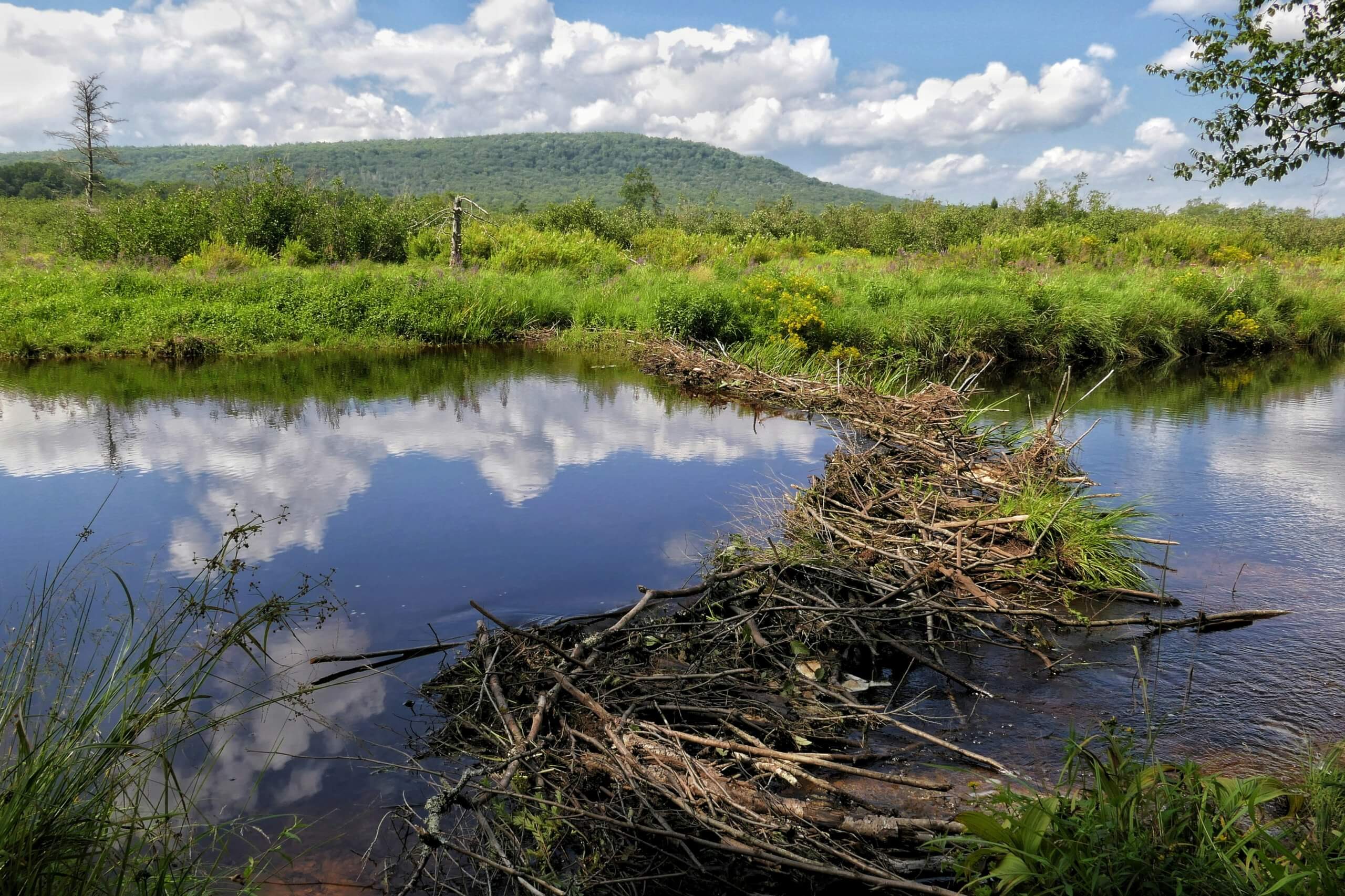
A study carried out by the University of Birmingham found that beavers are able to engineer riverbeds in ways which prevent carbon dioxide release into the atmosphere. By building dams, beavers flood stream margins, create wetlands and trap large amounts or organic and inorganic material, including carbon. In 2025, a family of beavers made headlines after building a dam exactly where authorities in the Czech Republic had been planning one, saving taxpayers around £1,000,000. As well as storing carbon, preventing it from entering the atmosphere, beaver dams also help mitigate the impacts of climate change. Beaver dams act as a firebreak, with beaver-dammed areas three times less affected by wildfires, and provide a natural flood defence, protecting surrounding areas.

Along with further research, to understand wildlife’s crucial role in shaping ecosystems and carbon capture, we also need more policies to safeguard and restore wild animal populations around the world.

Renewable Microgrids

Renewable microgrids are small-scale localised power networks that generate, store and distribute electricity from renewable sources such as wind, hydro and solar.

Popping up around the world, small communities design and build their own renewable microgrids. Although they initially require investment and funding, the microgrids provide reliable and cheaper energy for residents and shield them from price surges in response to global politics.

One example is Feldheim, a small village in Germany. Since 1990, local residents have come together to create a renewable energy microgrid, building a wind farm, biogas plant, solar plant and battery storage to generate and store green electricity in their village. Each household invested in the network, and they secured funding from state and EU grants.

Their microgrid now produces hundreds of millions of kWh of electricity every year, far more than the local population needs, with less than 1% being consumed by local residents. The remaining 99% is therefore able to be sold to the national grid, generating local revenue.

Similar renewable microgrids exist in other small communities around the world, such as Knoydart and the Isle of Eigg in Scotland and Kodiak Island in Alaska, demonstrating how this approach can work in different locations. But this approach relies on good communication and community trust and investment to work, so scaling this approach to larger communities would be more challenging.