April 2026 Climate Update

Record Breaking Day for Renewable Energy Generation

On Wednesday 22nd April, Great Britain’s electricity grid ran on a record-breaking 98.8% zero-carbon energy, for a short period between 15:30 and 16:00, surpassing the previous record of 97.7% set in April 2025.

Gas usage sank to a historic low, making up just 1.2% of the energy mix, meaning that virtually all of Britain’s twenty-eight million homes and five million businesses were being powered by clean energy for the half hour period. Over 50% came from wind, 34.4% from nuclear, 9.8% from biomass, 2.2% from solar, 1.5% from hydro and the remaining 0.8% from batteries, which store generated zero-carbon energy when generation exceeds demand.

This record shows that Britan’s electricity can be safely and securely run on clean energy. In addition, as well as an overall zero-carbon record, April 2026 also saw solar generation reaching new highs on two consecutive days.  

Researchers Develop Battery Recycling with Carbon Capture

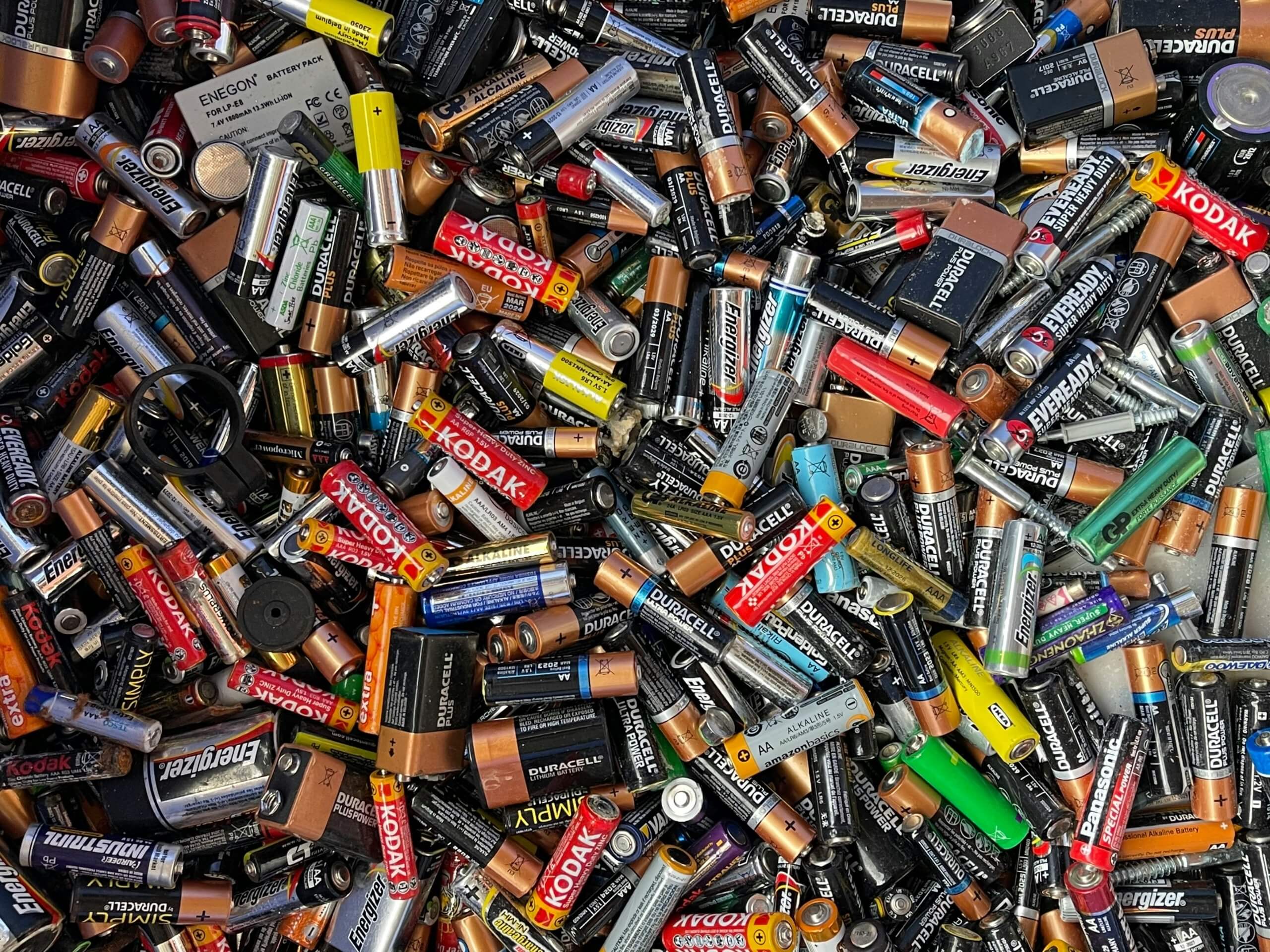
Researchers have developed a new battery recycling with carbon capture that not only recovers valuable battery materials more efficiently but also captures carbon dioxide during the process.

Demand for batteries is rising rapidly, as electric vehicles, renewable energy systems and electronics expand worldwide. But with this growth comes a challenge; what do we do with the millions of batteries once they reach the end of their life?

Battery recycling with carbon capture is a new approach to manage this surge in waste. Traditional battery recycling methods can be energy intensive and rely on harsh chemicals to extract the materials, such as lithium, cobalt and nickel, generating emissions and environmental impacts which can partially offset the climate benefits of using batteries in the first place. But battery recycling with carbon capture is a new method which uses a pressurised mixture of carbon dioxide and water, instead of harsh chemicals, to recover materials from the used batteries.

Using this new approach, researchers recovered about 95% of the lithium contained in the batteries. The remaining metals in the batteries, such as cobalt, manganese and nickel, are transformed into useful catalysts that can help produce green hydrogen fuel, another important technology for reducing carbon emissions.

Improved and efficient battery recycling is a critically important part of making the entire battery lifecycle more sustainable as recovering metals reduces the need to mine new materials, which has significant environmental impacts such as land disturbance, water use and greenhouse gas emissions. Battery recycling with carbon capture offers a way to support a more circular economy by reintroducing recovered materials from used batteries into the battery manufacturing supply chain. At the same time, capturing carbon during recycling helps reduce associated emissions.

Early results are promising and researchers are taking the next step to refine and scale the process.

Europe Named Fastest-Warming Continent in Latest Climate Change Report

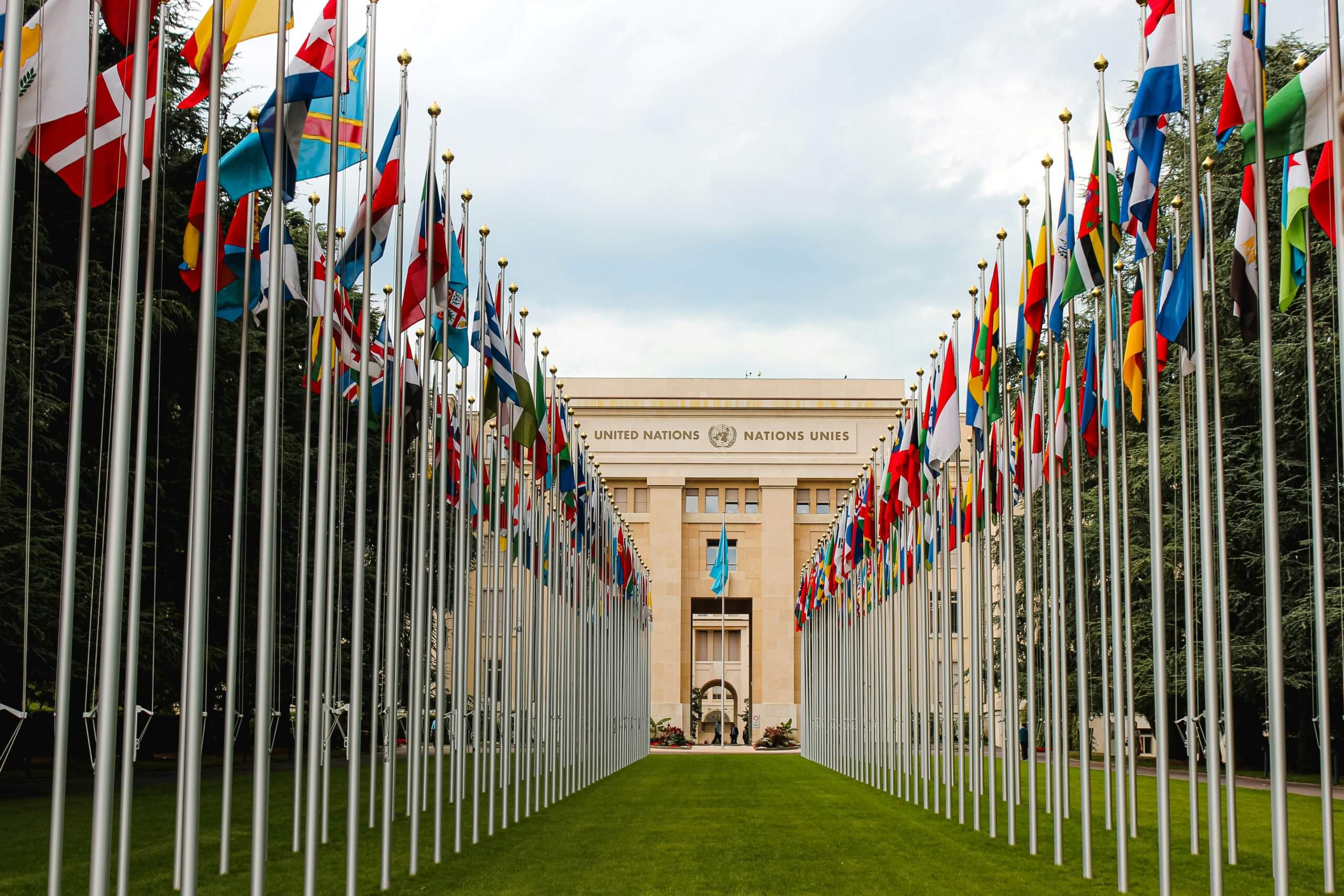
The United Nations (UN) released a joint report with the European Centre for Medium-Range Weather Forecasts (ECMWF) in April 2026 which states that Europe is the fastest-warming continent, with nearly all of Europe experiencing above-average annual temperatures in 2025.

Hot and dry conditions across Europe in 2025 fuelled more frequent and intense wildfires, burning over 2.5 million acres of land, caused below average annual flows for 70% of Europe’s rivers and impacted snow cover, which feel by nearly 30%.

The report highlights that climate change is not a future threat but a present reality and evidences the need for more urgent action to be taken.

Winners of the 2026 Goldman Environmental Prize Announced

Six grassroot environmental activists from around the world have been awarded the Goldman Environmental Prize in honour of their work to fight climate change and improve biodiversity:

  • Iroro Tanshi (Nigeria) – rediscovered the endangered short-tailed roundleaf bat and has been working to save its habitat, the Alfi Mountain Wildlife Sanctuary, from human-induced wildfires through a community-led campaign.
  • Borim Kim (South Korea) – started the Youth 4 Climate Action organisation and won a ruling that the South Korean government’s climate policy violated the constitutional rights of future generations, the first successful youth-led climate litigation in Asia.
  • Sarah Finch (UK) – fought oil drilling in South-Eastern England for more than a decade, alongside the Weald Action Group, securing the ‘Finch ruling’ from the Supreme Court in June 2024 that authorities must consider fossil fuels’ impacts on the global climate before granting permission to extract them. This legal precedent has already stopped the development of subsequent fossil fuel extraction projects across the UK.
  • Theonila Roka Matbob (Papua New Guinea) – led a successful campaign that saw the world’s second-largest mining company agree to address environmental and social devastation caused by its Panguna copper mine. Despite having abandoned the site 35 years ago, the company didn’t formally acknowledge the wide range of harms the mine has caused and begin address the urgent risks until this campaign.
  • Alannah Acaq Hurley (US) – led a campaign, acting on behalf of 15 tribal nations, to stop a mega copper and gold mining project (what would have been North America’s largest open-pit mine) that threatened ecosystems in Alaska’s Bristol Bay region. The victory safeguards Bristol Bay and its greater watershed, encompassing 25 million acres of wilderness, rivers and wetland and home to the largest wild salmon runs in the world.
  • Yuvelis Morales Blanco (Colombia) – after a major spill in 2018 forced the relocation of dozens of local families and killed thousands of animals, Yuvelis took on some of the world’s biggest oil companies to successfully stop the introduction of commercial fracking into Colombia.

Learn more about the current and past winners of the Goldman Environmental Prize here: https://www.goldmanprize.org/all-winners/

March 2026 Climate Update

World’s First Vertical Floating Solar Plant Begins Operating

The push for renewable energy requires innovative solutions, such as the world’s first vertical floating solar plant, which is now operating on an artificial lake, Lake Jais, in Bavaria, Germany.

Each segment requires only a narrow submerged base to secure the panels and allow controlled movement under wind and fluctuating water levels. The system is connected to the grid via a floating cable and a shore-based feed in point, minimising disruption to the lake’s ecosystem. The vertical orientation of the solar panels offers several advantages. The panels face east and west which increases morning and evening output, times when traditional solar systems produce less energy. The spacing between the panels also allows wind to pass through more easily, reducing wear and tear on the structure.

Like many other countries, Germany has thousands of artificial lakes from mining and quarrying activities, many of which sit idle after operations cease. Floating solar instillations on these artificial lakes provide opportunities for solar energy generation without occupying land. The Lake Jais vertical floating solar plant only covers 4.65% of the lake’s surface and environmental monitoring has shown no negative ecological impact since the installation. Findings suggest that vertical floating solar plants can coexist with aquatic ecosystems, with waterfowl observed creating nests on the floating sections and schools of fish observed gathering around the submerged sections. It also has the potential to be used to complement offshore wind farms, as wind and solar generation patterns often differ; combining both technologies could provide a more stable source of electricity.

Research still needs to be carried out across different climate and water conditions, with winter ice formation and extreme temperatures presenting potential challenges, but offshore floating solar could be an exciting new addition to the renewable technology field.

Wildlife Can Help Tackle and Mitigate Climate Change

Wildlife can help us tackle climate change. Studies examining the impact of wildlife’s natural behaviour has uncovered some fascinating results. For example, a study published in the science journal Nature found that just one forest elephant can increase the net carbon capture capacity of a forest by almost 250 acres. This is the equivalent of removing a year’s worth of emissions of 2,047 cars from the atmosphere.

Another study, by the World Federation for Animals, found that digging mammals help to trap leaf litter and increase soil nutrients as they dig their burrows, which helps to sequester more carbon. It also helps retain moisture in forests that are increasingly dry and vulnerable to more intense and frequent wildfires.

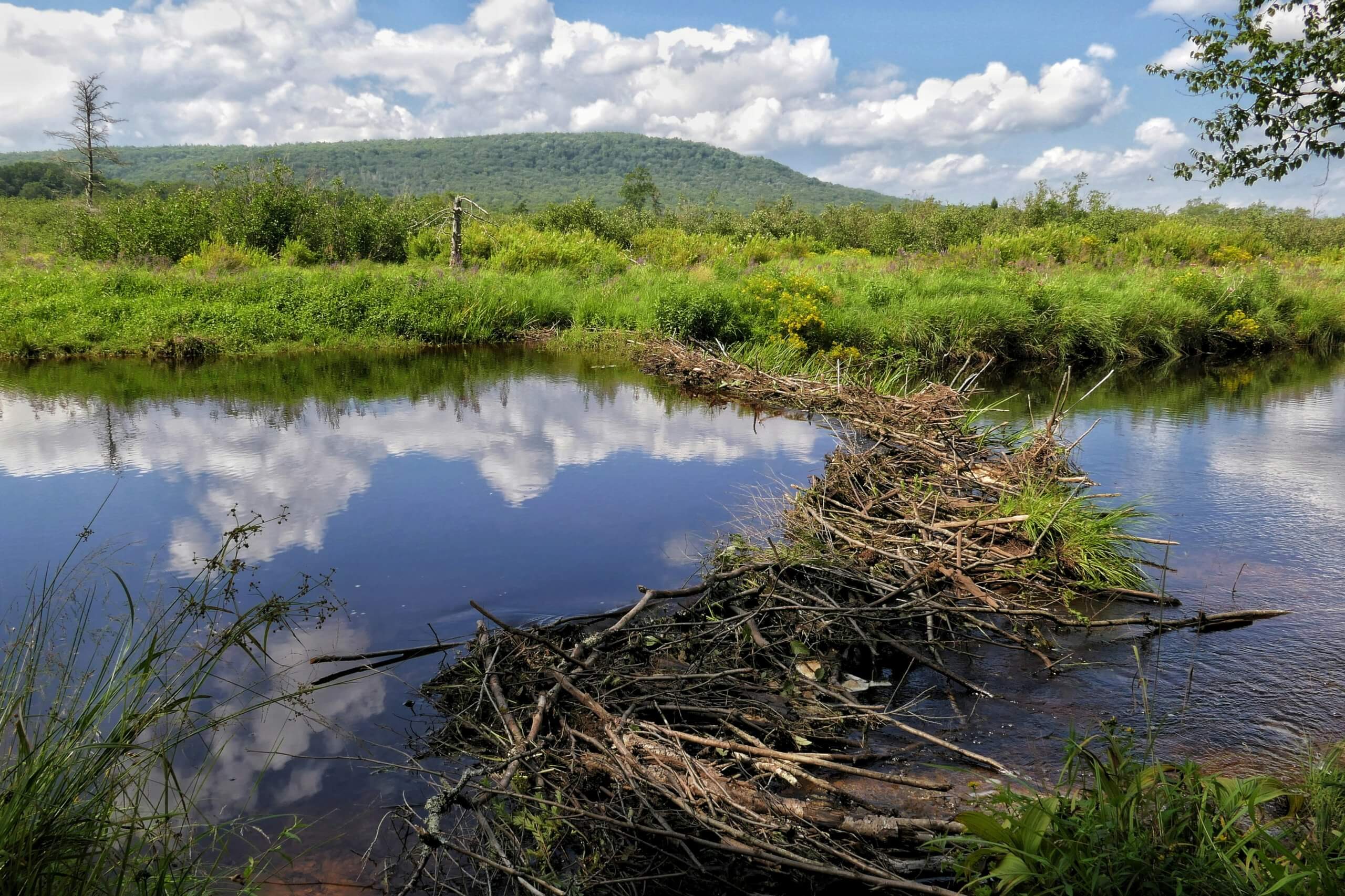
A study carried out by the University of Birmingham found that beavers are able to engineer riverbeds in ways which prevent carbon dioxide release into the atmosphere. By building dams, beavers flood stream margins, create wetlands and trap large amounts or organic and inorganic material, including carbon. In 2025, a family of beavers made headlines after building a dam exactly where authorities in the Czech Republic had been planning one, saving taxpayers around £1,000,000. As well as storing carbon, preventing it from entering the atmosphere, beaver dams also help mitigate the impacts of climate change. Beaver dams act as a firebreak, with beaver-dammed areas three times less affected by wildfires, and provide a natural flood defence, protecting surrounding areas.

Along with further research, to understand wildlife’s crucial role in shaping ecosystems and carbon capture, we also need more policies to safeguard and restore wild animal populations around the world.

Renewable Microgrids

Renewable microgrids are small-scale localised power networks that generate, store and distribute electricity from renewable sources such as wind, hydro and solar.

Popping up around the world, small communities design and build their own renewable microgrids. Although they initially require investment and funding, the microgrids provide reliable and cheaper energy for residents and shield them from price surges in response to global politics.

One example is Feldheim, a small village in Germany. Since 1990, local residents have come together to create a renewable energy microgrid, building a wind farm, biogas plant, solar plant and battery storage to generate and store green electricity in their village. Each household invested in the network, and they secured funding from state and EU grants.

Their microgrid now produces hundreds of millions of kWh of electricity every year, far more than the local population needs, with less than 1% being consumed by local residents. The remaining 99% is therefore able to be sold to the national grid, generating local revenue.

Similar renewable microgrids exist in other small communities around the world, such as Knoydart and the Isle of Eigg in Scotland and Kodiak Island in Alaska, demonstrating how this approach can work in different locations. But this approach relies on good communication and community trust and investment to work, so scaling this approach to larger communities would be more challenging.

February 2026 Climate Update

Youth-Led Organisations Improve Flood Education and Adaptation Measures in Nigeria and Uganda

Two youth-led organisations, Green Quest and SV4CASH (Smart Village for Climate Action Self-Help) are helping to educate residents in Nigeria and Uganda, where climate-driven flooding destroys critical infrastructure and homes, and displaces and threatens thousands of families each year.

Their strategies focus on education first. Young volunteers will teach neighbours about flood preparedness, waste management, and early warning systems through interactive games, storytelling and hands-on learning. They will also create community-based early warning initiatives, so residents get alerts before water rises, giving families critical time to evacuate and secure belongings.

The projects also plan to build natural solutions like rain gardens and permeable pavements that reduce standing water and improve drainage across the communities. Additionally, volunteers will organize drainage maintenance campaigns and cleanup drives to reduce flood risk factors.

The projects intentionally weave in local knowledge and Indigenous traditions, ensuring solutions fit the specific needs and culture of each area while building on what residents already know works. They also showcase the power of youth action, demonstrating that young people are creating solutions to the climate challenges.

Heatwaves – Australia’s Soaring Summer Temperatures

Australians are no stranger to hot weather but since the 2019/20 bushfires, which burned through an area the size of the UK, the arrival of warmer weather is often accompanied by dread.

In the first week of January, South-East Australia experienced its most significant heatwave since the 2019/20 bushfires, with temperatures reaching up to 45°C. At the end of January another heatwave hit, with temperatures in the small town of Andamooka reaching 50°C, only the eighth time this has happened in recorded history in Australia.

Climate scientists have been able to conclude that these extreme heatwaves were made five times more likely by the climate crisis. The impact on human and wildlife’s health is marked; extreme heat is the most common cause of weather-related hospitalisations and species such as Koalas and Flying Foxes are struggling to find water.

As in other parts of the world, the pressure to turn away from fossil fuels will only keep growing. Residents and conservationists in Australia are calling for more immediate action to be taken and for the government to move away from fossil fuels. Since 2022, the government has approved 33 new coal and gas developments or extensions, which will release a significant amount of greenhouse gases over their lifetimes.

Tackling Construction Industry Emissions with Coffee Grounds Concrete

Researchers in Australia have developed coffee grounds concrete that’s 30% stronger than traditional concrete while reducing carbon dioxide emissions by 26%.

Over six million tonnes of coffee waste is produced globally. Most of this waste ends up in landfills, but scientists at RMIT University are hoping to change that. They discovered that by heating the coffee waste up to 350°C, without oxygen, they can create biochar, a stable material that can replace sand in concrete.

The results show clear environmental benefits. Traditional concrete production relies on sand mining, which damages ecosystems and generates significant carbon emissions, and concrete alone accounts for about 8% of global CO2 emissions. Replacing just 15% of sand with coffee biochar cuts CO2 emissions by 26% and reduces fossil fuel consumption by 31%. It also eases pressures on river and lake ecosystems where sand mining traditionally takes place.

Scientists are continuing to research and test the material, including optimal production methods and long term durability, and are hoping to bring it into widespread adoption soon.

January 2026 Climate Update

Renewables on the Rise

2025 was a good year for renewables! Following a 19% increase in solar capacity, wind and solar power produced more electricity in the European Union (EU) than fossil fuels for the first time. Wind and solar generated 30% of the EU’s electricity in 2025, ahead of the 29% generated by fossil fuel power plants running on coal, gas or oil.

In the UK, a record number of renewable projects were given the go-ahead in 2025. Planning approvals for battery, wind and solar power in the UK have risen by more than 400% over the past five years. This will significantly increase the UK’s capacity to generate and store clean electricity. As well as reducing greenhouse gas emissions, renewable energy will also allow the UK to move away from the turbulent fossil fuel market where prices and supply fluctuate as a result geopolitical instability.

Energy Dashboard is a fantastic website which allows you to see how electricity in the UK is currently being generated: https://www.energydashboard.co.uk/live. You can also view a map of the distribution of the largest generation and battery storage sites in the UK: https://www.energydashboard.co.uk/map

Wetter Winters in the UK

January has been a very wet month across the UK, including in the North East, with persistent spells of heavy rain and strong winds. Overall, the UK recorded 17% more rainfall than the long-term average for January.

Above average rainfall in November and December meant that the ground had become so saturated that even moderate rainfall had a greater impact. Flooding was seen across the UK, particularly in Northern Ireland and South-Western England who experienced one of their wettest January’s on record.  

The reason is simple physics: warmer air holds more water vapour, meaning heavier downpours. Professor Hayley Fowler from Newcastle University was interviewed by the Guardian. “We’ve seen a rapid increase in warming and that has a huge knock-on effect on rainfall. It’s directly attributable to fossil fuel burning and the concentration of greenhouse gases in the atmosphere, so it’s going to continue until we stop.”

Hidden Power of Fungi

Dr. Toby Kiers is an evolutionary biologist and Professor at Vrije University, Amsterdam. She has been awarded the 2026 Tyler Prize for Environmental Achievement for her research into mycorrhizal fungi, which has fundamentally advanced understanding of the living systems beneath our feet.

Mycorrhizal fungi are vast underground networks of microscopic threads that link plant roots together, allowing plants to exchange water, nutrients and carbon, and store carbon in soils. Kiers research has revealed the scale of these networks influence: plants allocate an estimated 13 billion tonnes of carbon each year to mycorrhizal fungi, making them significantly more important to global climate regulation than we initially thought.

Dr. Kiers is committed to ensuring that underground biodiversity is recognised and protected. She co-founded SPUN, the society for the protection of underground networks, an international organisation dedicated to mapping and safeguarding mycorrhizal fungal biodiversity worldwide. Together with her team she helped create the world’s first underground atlas, a high resolution digital map that can be used by scientists, conservationists and policymakers to identify and protect these critical underground ecosystems.

December 2025 Climate Update

The First Young Planet Leaders Changemaker Academy

In December the first Young Planet Leaders Changemaker Academy class graduated. 38 students, aged 14 – 22, representing 19 countries and six continents, came together for a series of online workshops that gave them the tools needed to create meaningful environmental change.

After hearing from a variety of thinkers, activists, inventors, and policy experts, who have shaped national or global conversations, each student designed a local climate solution. Some projects focused on conservation, others on circular economies and some aimed to educate, mobilize, or engineer new forms of renewable energy. At the end of the programme, students submitted their proposals to the young planet leaders board for review.

Three students received funding to help realise their projects:

  • Marcella Azuekwu – Lagos Menstrual Dignity Project
  • Shahed Anan Sajeeeb; Seed to Success Project
  • Tumiso Mathenge; Girl to Girl Uwezo project

Applications for 2026 cohorts will open soon, so keep an eye on the Young Planet Leaders website: https://youngplanetleaders.org/academy/

Solar Panels in Space

Could solar panels in space provide energy security? New research from King’s College London reveals that solar panels in space could provide continuous clean energy for Europe, replacing most land-based renewables and reducing battery storage needs by over two-thirds.

Dr. Wei He, who led the research team at King’s College London, explains that space-based solar power offers something that wind turbines and rooftop panels cannot: constant, reliable energy generation. Unlike solar farms on Earth, that stop producing energy at night or during cloudy weather, solar panels in space would generate power around the clock.

However, the study acknowledges the challenges faced before space solar panels become a reality. Building the panels, launching them into orbit, and maintaining them in space remains prohibitively expensive with current technology. Only significant advances in space launch systems and manufacturing could bring costs down.

To see solar panels in space we will need sustained investment in research, cooperation and knowledge sharing between countries and continued innovation in space technology. But if the projections prove accurate, orbital solar farms could transform how we generate electricity within a generation.

Extreme Weather in South and South-East Asia – Cyclones and Monsoon Rains

Tropical cyclones have combined with heavy monsoon rains, fuelling intense wind and rain in Indonesia, Malaysia, Thailand, Sri Lanka and Vietnam. More than 1,600 people were killed, and flooding and mudslides have devastated areas across the region displacing hundreds of thousands of people.

A world weather attribution study found that climate change made the extreme rainfall behind the disasters more intense and much more likely to occur. Whilst monsoon rains often occur, scientists said that this level of intensity was not normal.

November 2025 Climate Update – COP30 Special

COP30, or the 30th UN Climate Change Conference, was hosted in Belém, Brazil. Held annually, COP is a major global summit, bringing together scientists, researchers, policy makers and world leaders from around the globe.

56,000 representatives from 194 countries attended COP30, making it the second largest COP in history. Indigenous voices were prominent with over 5000 participants, the highest representation at a COP to date.

COP30 was a major checkpoint for the Paris Agreement, marking ten years since this historic agreement. Every five years, each country’s progress is checked, and new targets are set to help limit global warming to well below 2°C above pre-industrial levels.

What was Agreed at COP30?

Two weeks of climate talks and negotiations took place:

  • Fossil Fuels – at COP28, in the United Arab Emirates (UAE) in 2023, countries agreed for the first time about the need to “transition away from fossil fuels in energy systems”. It was hoped that talks around fossil fuels at COP30 would secure clearer steps for how countries would achieve this. However no further progress was made due to the strong opposition from major oil and gas producing countries.  
  • Money – the countries at COP30 agreed to treble funding for adaptation by 2035. This funding is provided by richer countries to vulnerable countries to protect their people from the accelerating impacts of the climate crisis. Whilst this deal secures more money, some countries feel that the timeline ignores the urgency of the climate crisis.
  • Nature – COP30 was deliberately situated in Belém, known as the gateway to the Amazon, to put focus on the vital role of forests. Brazil launched the Tropical Forest Forever Fund, a multibillion-dollar investment fund that will pay nations to keep old-growth forests and trees standing. Despite helping design the fund, the UK declined to pay into the fund, surprising and drawing criticism from conservationists. However, 66 other countries agreed to pay into the fund with over £4 billion pledged, including major contributions from Brazil, Germany and Norway.

COP30 Conclusions

Each COP agrees a statement or binding agreement which is publicly released at the end of the conference. But this relies on consensus – all countries present have to agree in order to pass a deal. This can be challenging as different countries have different priorities based on factors such as their vulnerability to climate change, economic position and dependence on fossil fuels.

More than 80 countries, including the UK, wanted COP30 to commit the world to stop using coal, oil and gas at a faster pace. But COP30 ended in bitter rows, with many countries left feeling frustrated. The final conclusions contained no direct reference to fossil fuels as many oil-producing nations held fast that they should be allowed to use their reserves to grow their economies.


COP31

The next COP, COP31, will be held in Antalya, Türkiye, from 9 to 20 November 2026.

October 2025 Climate Update

Vatican City Is Now Producing All of Their Electricity from Renewable Sources

Before his death, Pope Francis fulfilled his green energy vision with a massive solar installation that now powers all of Vatican City’s operations.

Combining solar energy production with agricultural land use, the dual-purpose agrivoltaics system allows crops and solar panels to co-exist on the same land. Research has shown that this approach can actually increase crop yield as a microclimate is created underneath the solar panels that conserves water for the plants and helps protect them from extreme weather conditions, such as excess sun and high winds.

Heavy Rain Sweeps Across South Eastern Europe

October 2025 saw wetter-than-average conditions in South Eastern Europe, especially within the Balkans. Storms brought snow and rain across the region, with heavy flooding in Bulgaria.

The Copernicus Climate Change Service provides information about the past, present and future climate in Europe, allowing countries to develop effective mitigation and adaptation strategies. In October 2025 it evidenced that patterns of above-average precipitation and soil moisture were largely consistent across Europe.  

Artificial Reef Installed on a UK Wind Farm in Pilot Project

One of the largest artificial reefs in the world has been installed at Rampion Offshore Wind Farm off the Sussex coast. Sea currents speed up as they pass around the base of a wind turbine and can cause erosion, so scour pads – made up of rocks – are often installed around the foot of offshore turbines. This pilot project is looking at ways to replace the rocks with a nature-friendly artificial reef.

75,000 specially designed reef cubes have been placed at the bottom of a single turbine, providing homes for a wide range of marine life whilst protecting the turbine from erosion. The reef cubes have a chamber in the middle and a honeycomb texture on the outside to encourage marine life, such as oysters, ross worms and anemones, to use them. The project will be studied for five years to see how effective it is at protecting the wind turbine from erosion and improving biodiversity.

September 2025 Climate Update

California Places Solar Panels Over Canals in a Novel Solar Power Project:

An exciting new solar power project just went live in California. Solar panels have been placed across canals in the vast agricultural region as early research suggests that putting solar panels above water can help keep the panels cool, improving their efficiency and electricity output. Additionally, the panels shade the canal, which will prevent water loss through evaporation in drought-prone regions of California and limit algae growth which, when it grows excessively, poses significant risk to aquatic ecosystems and human, pet and livestock health.

Portugal’s Kelp Forests are Huge Carbon Sinks

Marine scientists have discovered that kelp forests along the Northern coastline of Portugal capture and store more carbon than previously thought.

Kelp is the name given to several large species of seaweed. They root themselves to the seabed and have a thin hard stalk with fronds that spread out like leaves. When conditions are right, kelp can form dense underwater forests.

As well as being one of the most productive ecosystems on Earth, kelp forests can also help us mitigate and adapt to climate change. A new study published in the Scientific Reports journal found that although kelp forests cover a relatively small area of our plant, they demonstrate a carbon capture efficiency per square metre that is comparable to or greater than more extensive terrestrial forest habitats. Kelp forests also act as a buffer against storm surges, which are becoming more frequent and intense due to climate change, by reducing wave energy.

This study will help policymakers recognise the importance of kelp and other seaweeds as nature-based solutions, resulting in more investment into kelp forest protection, restoration and creation.

Fifth National Climate Impacts and Risks Meeting Takes Place in Bristol

The 5th national climate impacts and risks meeting took place in Bristol on 18th and 19th September. The conference focused on climate impacts, adaptations and health and was attended by scientists, researchers, policy makers and industry experts. Across the two-day conference, new climate research studies are presented and based on their findings, discussions take place on how we can better prepare for the impacts and risks of climate change in the UK.

August 2025 Climate Update

Global River Map Created to Improve Flood Modelling:

A team of researchers, led by Oxford University, have created the most detailed map of the world’s rivers ever, which could transform how we prepare for and respond to flooding.

As rainfall becomes more erratic as a result of climate change, floods are expected to become more frequent and severe in many parts of the world. Until now, river maps have often overlooked more complex features, such as when a single river channel splits into multiple channels. Yet these branching river systems are important because they are often found in densely populated, flood‐prone regions, and provide critical insights into water movement across the Earth’s surface.

Known as GRIT (Global River Topology), the new global river map shows not just where rivers flow, but how they split, branch, and interact with the surrounding landscape. Built using high-resolution satellite images and advanced elevation data it maps over 12 million miles of rivers, providing a far more complete view of water movement. Scientists and Governments can use GRIT to understand where water is likely to go at large scales, helping to improve flood models, water management systems and disaster planning.

‘We needed a global map that reflects the way rivers actually behave,’ said Dr Michel Wortmann, who developed GRIT at Oxford as a Research Associate on the EvoFLOOD project. ‘It’s not enough to assume rivers just go downhill in a straight line—especially not when we’re trying to predict floods, understand ecosystems, or plan for climate impacts. This map shows the world’s rivers in their full complexity.’

Read more about GRIT here: https://www.ox.ac.uk/news/2025-05-16-researchers-remap-worlds-rivers-improve-flood-modelling

New Electric Car Battery Plant to be Built in the North East of England:

AESC have secured £1 billion in funding for a new electric car battery plant in Sunderland.  

The new gigafactory being built at the International Advanced Manufacturing Park (IAMP) in Washington will support 1,000 jobs and power 100,000 electric vehicles annually.

Plans for the plant were approved in 2024 and it will be the second in Sunderland for AESC UK, which is Nissan’s battery partner.

The gigafactory will make the UK more globally competitive in the EV field and help it achieve its net zero target.

The Chancellor added: “This investment in Sunderland will not only further innovation and accelerate our move to more sustainable transport, but it will also deliver much-needed high quality, well-paid jobs to the North East, putting more money in people’s pockets.”

Sunniest Spring on Record for Wales

Wales has had its sunniest spring on record according to data from the Met Office.

From 1 March to 28 May, Wales basked in 648 hours of sunshine – higher than the UK average.

Kathryn Chalk, a Met Office meteorologist, said this provisional figure beat the previous peak of 647 hours in 2020.

Overall, the UK has clocked 636.8 hours of sunshine in spring this year, beating the previously set record of 626 hours set in 2020. Wales, Scotland and Ireland have all set new peaks this year but England has not surpassed its peak at this point in time.

Met Office sunshine data goes back to 1910, and its figures for rainfall are also due to be published later this week. They are likely to show the UK has experienced one of its driest springs, despite heavy downpours in some areas in recent days.

July 2025 Climate Update

Company launches eco-bricks that ‘absorb carbon

A start-up company in Sheffield has launched environmentally-friendly bricks which absorb and permanently store greenhouse gases.

Materials developer earth4Earth, based at Sheffield Technology Parks, said the bricks capture carbon dioxide from the air around them but are also manufactured using methods which do not produce it.

The first batch is now being used in pilot projects across Sheffield.

Find out more here: https://www.bbc.co.uk/news/articles/c8739gvn7gzo

Unique 1.5m year-old ice to be melted to unlock mystery

An ice core that has been estimated to be over 1.5 million years old could hold vital information about the Earth’s climate.

Scientists in the UK have received this ice block and intend to melt it to unlock this information. The glassy cylinder originates from deep inside the Antarctic ice sheet. Frozen inside is thousands of years of new information that scientists say could “revolutionise” what we know about climate change.

Over a period of seven weeks, the ice block will be melted slowly, releasing ancient dust, volcanic ash, and even tiny marine algae called diatoms that were locked inside when the water they were in turned to ice. These materials can tell scientists about wind patterns, temperature, and sea levels from over a million years ago.

The ice block could also contain evidence of a period of time more than 800,000 years ago when carbon dioxide concentrations may have been naturally as high or even higher than they are now, according to Dr Liz Thomas.

This could help us understand what will happen in our future as our planet responds to warming gases trapped in our atmosphere.

“Our climate system has been through so many different changes that we really need to be able to go back in time to understand these different processes and different tipping points,” she says.

The difference between today and previous eras with high greenhouse gases is that the current trend of high greenhouses has been man made and has occurred rapidly in the last 150 years. That is taking us into unchartered territory, but the scientists hope that the record of our planet’s environmental history locked in the ice could give us some guidance.

July 2025 was third hottest July on record

July 2025 was the third-hottest July on record,  with climate experts warning of the stark dangers of increasingly warmer summer heatwaves across the globe.

Temperatures reached 1.25°C above pre-industrial levels, lower only than the last two years which have been reported as the two hottest July’s in recorded history.

Copernicus (the from EU’s climate watchdog) has published a new report that stated that the planet’s surface temperature for July stood at 16.68°C, 0.45°C above the 1991-2020 average for July.

While this is a slight decrease in an otherwise continuous upwards trend, scientists have been quick to caution that a “pause” in record-breaking heat does not indicate the end of climate change.