
December 2025 Climate Update

The First Young Planet Leaders Changemaker Academy

In December the first Young Planet Leaders Changemaker Academy class graduated. 38 students, aged 14 – 22, representing 19 countries and six continents, came together for a series of online workshops that gave them the tools needed to create meaningful environmental change.

After hearing from a variety of thinkers, activists, inventors, and policy experts, who have shaped national or global conversations, each student designed a local climate solution. Some projects focused on conservation, others on circular economies and some aimed to educate, mobilize, or engineer new forms of renewable energy. At the end of the programme, students submitted their proposals to the young planet leaders board for review.

Three students received funding to help realise their projects:

  • Marcella Azuekwu – Lagos Menstrual Dignity Project
  • Shahed Anan Sajeeeb; Seed to Success Project
  • Tumiso Mathenge; Girl to Girl Uwezo project

Applications for 2026 cohorts will open soon, so keep an eye on the Young Planet Leaders website: https://youngplanetleaders.org/academy/

Solar Panels in Space

Could solar panels in space provide energy security? New research from King’s College London reveals that solar panels in space could provide continuous clean energy for Europe, replacing most land-based renewables and reducing battery storage needs by over two-thirds.

Dr. Wei He, who led the research team at King’s College London, explains that space-based solar power offers something that wind turbines and rooftop panels cannot: constant, reliable energy generation. Unlike solar farms on Earth, that stop producing energy at night or during cloudy weather, solar panels in space would generate power around the clock.

However, the study acknowledges the challenges faced before space solar panels become a reality. Building the panels, launching them into orbit, and maintaining them in space remains prohibitively expensive with current technology. Only significant advances in space launch systems and manufacturing could bring costs down.

To see solar panels in space we will need sustained investment in research, cooperation and knowledge sharing between countries and continued innovation in space technology. But if the projections prove accurate, orbital solar farms could transform how we generate electricity within a generation.

Extreme Weather in South and South-East Asia – Cyclones and Monsoon Rains

Tropical cyclones have combined with heavy monsoon rains, fuelling intense wind and rain in Indonesia, Malaysia, Thailand, Sri Lanka and Vietnam. More than 1,600 people were killed, and flooding and mudslides have devastated areas across the region displacing hundreds of thousands of people.

A world weather attribution study found that climate change made the extreme rainfall behind the disasters more intense and much more likely to occur. Whilst monsoon rains often occur, scientists said that this level of intensity was not normal.

November 2025 Climate Update – COP30 Special

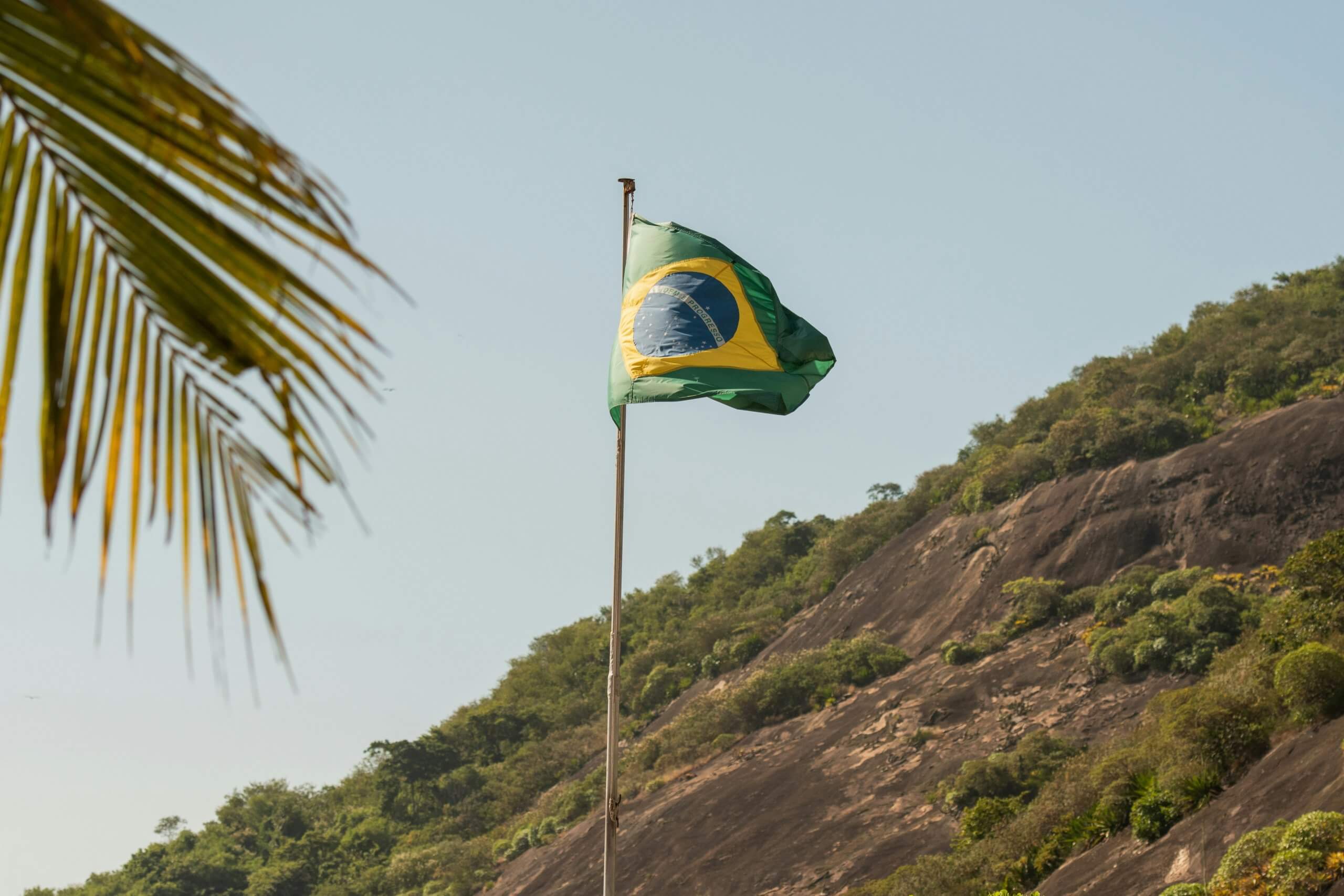
COP30, or the 30th UN Climate Change Conference, was hosted in Belém, Brazil. Held annually, COP is a major global summit, bringing together scientists, researchers, policy makers and world leaders from around the globe.

56,000 representatives from 194 countries attended COP30, making it the second largest COP in history. Indigenous voices were prominent with over 5000 participants, the highest representation at a COP to date.

COP30 was a major checkpoint for the Paris Agreement, marking ten years since this historic agreement. Every five years, each country’s progress is checked, and new targets are set to help limit global warming to well below 2°C above pre-industrial levels.

What was Agreed at COP30?

Two weeks of climate talks and negotiations took place:

  • Fossil Fuels – at COP28, in the United Arab Emirates (UAE) in 2023, countries agreed for the first time about the need to “transition away from fossil fuels in energy systems”. It was hoped that talks around fossil fuels at COP30 would secure clearer steps for how countries would achieve this. However no further progress was made due to the strong opposition from major oil and gas producing countries.  
  • Money – the countries at COP30 agreed to treble funding for adaptation by 2035. This funding is provided by richer countries to vulnerable countries to protect their people from the accelerating impacts of the climate crisis. Whilst this deal secures more money, some countries feel that the timeline ignores the urgency of the climate crisis.
  • Nature – COP30 was deliberately situated in Belém, known as the gateway to the Amazon, to put focus on the vital role of forests. Brazil launched the Tropical Forest Forever Fund, a multibillion-dollar investment fund that will pay nations to keep old-growth forests and trees standing. Despite helping design the fund, the UK declined to pay into the fund, surprising and drawing criticism from conservationists. However, 66 other countries agreed to pay into the fund with over £4 billion pledged, including major contributions from Brazil, Germany and Norway.

COP30 Conclusions

Each COP agrees a statement or binding agreement which is publicly released at the end of the conference. But this relies on consensus – all countries present have to agree in order to pass a deal. This can be challenging as different countries have different priorities based on factors such as their vulnerability to climate change, economic position and dependence on fossil fuels.

More than 80 countries, including the UK, wanted COP30 to commit the world to stop using coal, oil and gas at a faster pace. But COP30 ended in bitter rows, with many countries left feeling frustrated. The final conclusions contained no direct reference to fossil fuels as many oil-producing nations held fast that they should be allowed to use their reserves to grow their economies.


COP31

The next COP, COP31, will be held in Antalya, Türkiye, from 9 to 20 November 2026.

October 2025 Climate Update

Vatican City Is Now Producing All of Their Electricity from Renewable Sources

Before his death, Pope Francis fulfilled his green energy vision with a massive solar installation that now powers all of Vatican City’s operations.

Combining solar energy production with agricultural land use, the dual-purpose agrivoltaics system allows crops and solar panels to co-exist on the same land. Research has shown that this approach can actually increase crop yield as a microclimate is created underneath the solar panels that conserves water for the plants and helps protect them from extreme weather conditions, such as excess sun and high winds.

Heavy Rain Sweeps Across South Eastern Europe

October 2025 saw wetter-than-average conditions in South Eastern Europe, especially within the Balkans. Storms brought snow and rain across the region, with heavy flooding in Bulgaria.

The Copernicus Climate Change Service provides information about the past, present and future climate in Europe, allowing countries to develop effective mitigation and adaptation strategies. In October 2025 it evidenced that patterns of above-average precipitation and soil moisture were largely consistent across Europe.  

Artificial Reef Installed on a UK Wind Farm in Pilot Project

One of the largest artificial reefs in the world has been installed at Rampion Offshore Wind Farm off the Sussex coast. Sea currents speed up as they pass around the base of a wind turbine and can cause erosion, so scour pads – made up of rocks – are often installed around the foot of offshore turbines. This pilot project is looking at ways to replace the rocks with a nature-friendly artificial reef.

75,000 specially designed reef cubes have been placed at the bottom of a single turbine, providing homes for a wide range of marine life whilst protecting the turbine from erosion. The reef cubes have a chamber in the middle and a honeycomb texture on the outside to encourage marine life, such as oysters, ross worms and anemones, to use them. The project will be studied for five years to see how effective it is at protecting the wind turbine from erosion and improving biodiversity.

September 2025 Climate Update

California Places Solar Panels Over Canals in a Novel Solar Power Project:

An exciting new solar power project just went live in California. Solar panels have been placed across canals in the vast agricultural region as early research suggests that putting solar panels above water can help keep the panels cool, improving their efficiency and electricity output. Additionally, the panels shade the canal, which will prevent water loss through evaporation in drought-prone regions of California and limit algae growth which, when it grows excessively, poses significant risk to aquatic ecosystems and human, pet and livestock health.

Portugal’s Kelp Forests are Huge Carbon Sinks

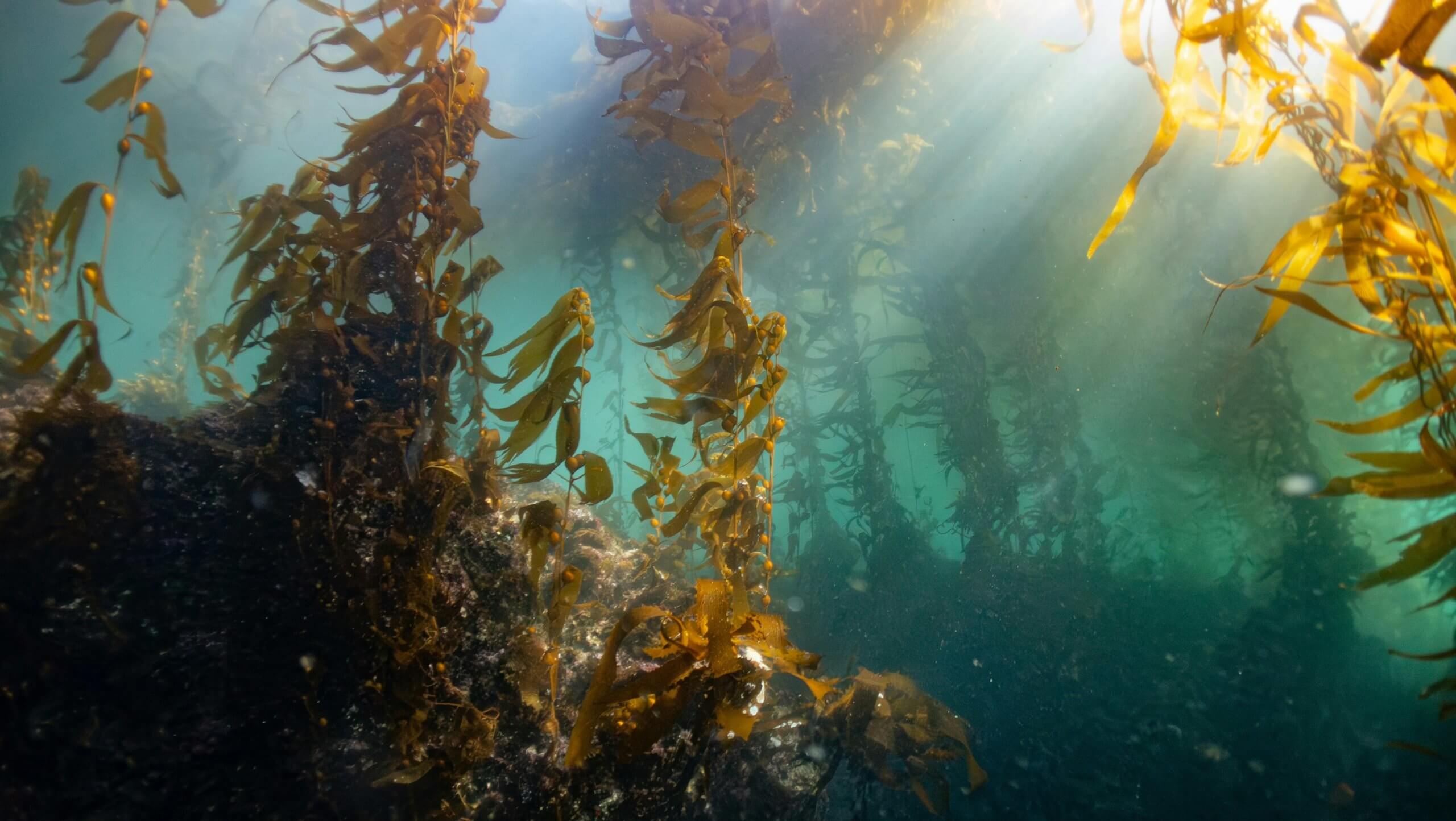
Marine scientists have discovered that kelp forests along the Northern coastline of Portugal capture and store more carbon than previously thought.

Kelp is the name given to several large species of seaweed. They root themselves to the seabed and have a thin hard stalk with fronds that spread out like leaves. When conditions are right, kelp can form dense underwater forests.

As well as being one of the most productive ecosystems on Earth, kelp forests can also help us mitigate and adapt to climate change. A new study published in the Scientific Reports journal found that although kelp forests cover a relatively small area of our plant, they demonstrate a carbon capture efficiency per square metre that is comparable to or greater than more extensive terrestrial forest habitats. Kelp forests also act as a buffer against storm surges, which are becoming more frequent and intense due to climate change, by reducing wave energy.

This study will help policymakers recognise the importance of kelp and other seaweeds as nature-based solutions, resulting in more investment into kelp forest protection, restoration and creation.

Fifth National Climate Impacts and Risks Meeting Takes Place in Bristol

The 5th national climate impacts and risks meeting took place in Bristol on 18th and 19th September. The conference focused on climate impacts, adaptations and health and was attended by scientists, researchers, policy makers and industry experts. Across the two-day conference, new climate research studies are presented and based on their findings, discussions take place on how we can better prepare for the impacts and risks of climate change in the UK.

August 2025 Climate Update

Global River Map Created to Improve Flood Modelling:

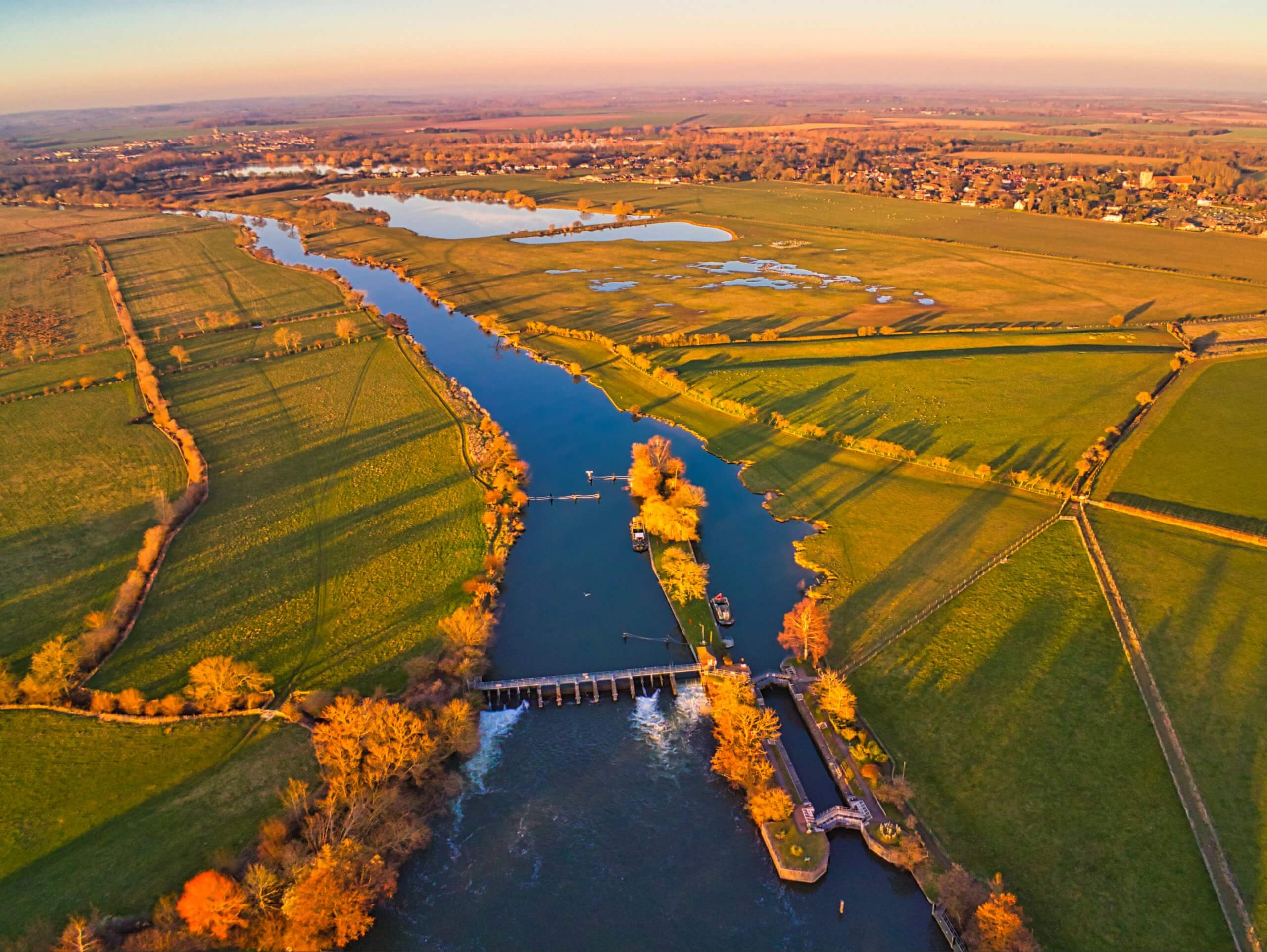
A team of researchers, led by Oxford University, have created the most detailed map of the world’s rivers ever, which could transform how we prepare for and respond to flooding.

As rainfall becomes more erratic as a result of climate change, floods are expected to become more frequent and severe in many parts of the world. Until now, river maps have often overlooked more complex features, such as when a single river channel splits into multiple channels. Yet these branching river systems are important because they are often found in densely populated, flood‐prone regions, and provide critical insights into water movement across the Earth’s surface.

Known as GRIT (Global River Topology), the new global river map shows not just where rivers flow, but how they split, branch, and interact with the surrounding landscape. Built using high-resolution satellite images and advanced elevation data it maps over 12 million miles of rivers, providing a far more complete view of water movement. Scientists and Governments can use GRIT to understand where water is likely to go at large scales, helping to improve flood models, water management systems and disaster planning.

‘We needed a global map that reflects the way rivers actually behave,’ said Dr Michel Wortmann, who developed GRIT at Oxford as a Research Associate on the EvoFLOOD project. ‘It’s not enough to assume rivers just go downhill in a straight line—especially not when we’re trying to predict floods, understand ecosystems, or plan for climate impacts. This map shows the world’s rivers in their full complexity.’

Read more about GRIT here: https://www.ox.ac.uk/news/2025-05-16-researchers-remap-worlds-rivers-improve-flood-modelling

New Electric Car Battery Plant to be Built in the North East of England:

AESC have secured £1 billion in funding for a new electric car battery plant in Sunderland.  

The new gigafactory being built at the International Advanced Manufacturing Park (IAMP) in Washington will support 1,000 jobs and power 100,000 electric vehicles annually.

Plans for the plant were approved in 2024 and it will be the second in Sunderland for AESC UK, which is Nissan’s battery partner.

The gigafactory will make the UK more globally competitive in the EV field and help it achieve its net zero target.

The Chancellor added: “This investment in Sunderland will not only further innovation and accelerate our move to more sustainable transport, but it will also deliver much-needed high quality, well-paid jobs to the North East, putting more money in people’s pockets.”

Sunniest Spring on Record for Wales

Wales has had its sunniest spring on record according to data from the Met Office.

From 1 March to 28 May, Wales basked in 648 hours of sunshine – higher than the UK average.

Kathryn Chalk, a Met Office meteorologist, said this provisional figure beat the previous peak of 647 hours in 2020.

Overall, the UK has clocked 636.8 hours of sunshine in spring this year, beating the previously set record of 626 hours set in 2020. Wales, Scotland and Ireland have all set new peaks this year but England has not surpassed its peak at this point in time.

Met Office sunshine data goes back to 1910, and its figures for rainfall are also due to be published later this week. They are likely to show the UK has experienced one of its driest springs, despite heavy downpours in some areas in recent days.