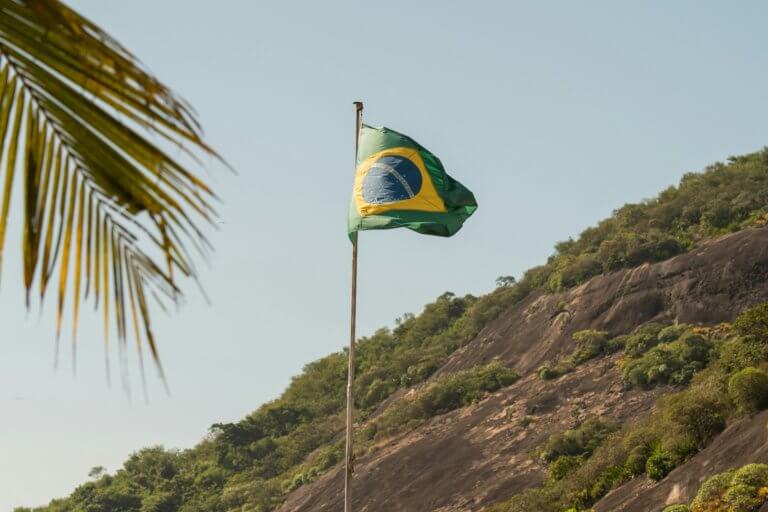
COP30, or the 30th UN Climate Change Conference, was hosted in Belém, Brazil. Held annually, COP is a major global summit, bringing together scientists, researchers, policy makers and world leaders from around the globe.
56,000 representatives from 194 countries attended COP30, making it the second largest COP in history. Indigenous voices were prominent with over 5000 participants, the highest representation at a COP to date.
COP30 was a major checkpoint for the Paris Agreement, marking ten years since this historic agreement. Every five years, each country’s progress is checked, and new targets are set to help limit global warming to well below 2°C above pre-industrial levels.
What was Agreed at COP30?
Two weeks of climate talks and negotiations took place:
- Fossil Fuels – at COP28, in the United Arab Emirates (UAE) in 2023, countries agreed for the first time about the need to “transition away from fossil fuels in energy systems”. It was hoped that talks around fossil fuels at COP30 would secure clearer steps for how countries would achieve this. However no further progress was made due to the strong opposition from major oil and gas producing countries.
- Money – the countries at COP30 agreed to treble funding for adaptation by 2035. This funding is provided by richer countries to vulnerable countries to protect their people from the accelerating impacts of the climate crisis. Whilst this deal secures more money, some countries feel that the timeline ignores the urgency of the climate crisis.
- Nature – COP30 was deliberately situated in Belém, known as the gateway to the Amazon, to put focus on the vital role of forests. Brazil launched the Tropical Forest Forever Fund, a multibillion-dollar investment fund that will pay nations to keep old-growth forests and trees standing. Despite helping design the fund, the UK declined to pay into the fund, surprising and drawing criticism from conservationists. However, 66 other countries agreed to pay into the fund with over £4 billion pledged, including major contributions from Brazil, Germany and Norway.
COP30 Conclusions
Each COP agrees a statement or binding agreement which is publicly released at the end of the conference. But this relies on consensus – all countries present have to agree in order to pass a deal. This can be challenging as different countries have different priorities based on factors such as their vulnerability to climate change, economic position and dependence on fossil fuels.
More than 80 countries, including the UK, wanted COP30 to commit the world to stop using coal, oil and gas at a faster pace. But COP30 ended in bitter rows, with many countries left feeling frustrated. The final conclusions contained no direct reference to fossil fuels as many oil-producing nations held fast that they should be allowed to use their reserves to grow their economies.
COP31
The next COP, COP31, will be held in Antalya, Türkiye, from 9 to 20 November 2026.